
Bed bug heat treatment sounds like the fast, clean fix everybody wants when bites keep showing up at 2 a.m. and you’re stripping sheets under the bedroom lamp for the third night in a row. Sometimes it really is worth paying for. Sometimes it’s an expensive shortcut that doesn’t fit your home, your budget, or the way the job needs to be done.
What Bed Bug Heat Treatment Actually Is
Bed bug heat treatment is exactly what it sounds like: a professional uses industrial heaters and fans to raise the temperature in an infested room, or sometimes the whole home, high enough to kill bed bugs in every life stage, including eggs. In plain English, the goal is not to make the room feel hot. The goal is to get heat deep into the places bed bugs actually hide, then keep it there long enough to do the job.
That last part matters more than most sales pages admit. According to the EPA, areas or items should reach 120°F for 90 minutes to make sure eggs are killed, and higher temperatures can shorten the needed time. In practice, many pros aim higher in the air so colder hiding spots inside furniture, seams, cracks, and clutter still get hot enough.
Here’s the thing: heat is often the fastest option, but fast does not automatically mean smart. If the infestation is widespread, your sleep is wrecked, and you need a real reset, paying more can make sense. If the problem is tiny, uncertain, or badly prepped, that premium can feel painful.
How a professional heat treatment works
A proper job usually starts with an inspection, not a technician wheeling in heaters five minutes after walking through the door. You should expect someone to confirm bed bug activity, look at likely spread, and decide whether the treatment area should be one room, a set of rooms, or the whole home.
Before treatment day, you’ll usually get prep instructions. Those cover laundry, clutter, what to bag, what to leave accessible, and what must come out because it can be damaged by heat. Think medications, aerosol cans, candles, some cosmetics, certain electronics, plants, and pets. If the company is vague here, that’s not reassuring. It’s a warning.
On treatment day, crews place heaters, fans, and temperature sensors throughout the space. Doors and windows may be sealed to hold heat better. Furniture often gets moved, drawers may be opened, mattresses stood up, cushions separated, and bulky items repositioned so heat can circulate. In a typical bedroom or living room, the space starts to look less like a home and more like a carefully managed bake cycle.
Then comes the heating window. Portable heaters push the temperature up, fans move the hot air, and sensors track whether stubborn areas are catching up. A room can feel brutally hot long before the coolest hiding spots are ready, which is why the monitoring step matters so much. Afterward, the space cools down, everything gets checked, and you may get instructions for monitors, interceptors, follow-up inspections, or targeted touch-up treatment.
Why heat gets attention in the first place
Heat gets attention because it solves the part of bed bugs that drives you crazy: the waiting. A strong heat job can treat a whole space in one go instead of chasing bugs seam by seam, crack by crack, visit by visit. It also avoids pesticide residue in the treated area, which is a big reason some households prefer it around beds, nurseries, and upholstered rooms.
Penn State notes that whole-room heat is an effective and quick method for bed bug control, which matches why people keep asking about it in the first place. Speed matters when your guest room is off-limits, your kid’s room is under suspicion, or every night feels like a waiting game.
That said, the real appeal is not magic. It’s coverage. Heat can reach bed frames, baseboards, upholstered chairs, nightstands, and other places bed bugs love to disappear. If speed and thoroughness matter more to you than getting the cheapest invoice, heat can be worth the premium.
Why Heat Treatment Costs More Than Other Bed Bug Options
You’re paying more because a real heat job is equipment-heavy, labor-heavy, and hard to fake well. This is not a spray bottle and a flashlight. It takes commercial heaters, generators in some cases, multiple high-output fans, temperature sensors, and technicians who know how to create lethal heat without damaging the house.
The size of the treatment area changes everything. One bedroom is simpler than a three-bedroom house with a finished basement and a packed family room. Clutter changes everything too, because piles of clothes, boxes, books, and dense belongings slow heat penetration and create cooler pockets where bugs can survive.
Labor is another big driver. Crews do more than plug in heaters. They reposition furniture, open hiding zones, check sensors, rotate items when needed, and stay on the job for hours. Illinois public health guidance describes heat treatment as labor-intensive and notes that an average house may need several heating units and roughly two fans per room, which helps explain why the invoice climbs fast.
If you want a clearer sense of how pricing gets built, it helps to look at the different factors behind what changes a treatment quote. The number on the estimate usually reflects far more than square footage.
What usually pushes the price up
The bill rises when the infestation looks heavy, spread out, or both. Multiple active bedrooms, signs in upholstered furniture, bugs turning up in living spaces, or activity near baseboards and adjoining rooms all push the job toward more time and wider coverage.
Apartment access issues can raise the price too. If your unit needs coordination with management, elevator timing, parking for equipment, or inspection of neighboring units, the job becomes more complicated. So does a home packed with belongings. More items mean more cold spots, more prep, more handling, and more risk.
Delicate belongings can also add cost. Items that need removal, special treatment, or separate handling take time. Same-week emergency scheduling often costs more as well. When a company has to move crews and equipment around to fit you in quickly, you pay for that urgency.
Cheap quotes vs solid heat jobs
The catch is simple: a very cheap heat quote often means you are not getting a full heat treatment. You might be getting limited spot heating, weak prep support, too few sensors, too little time at target temperature, or a rushed job that treats hot air as proof of success.
This is one of those services where cutting corners can leave you paying twice. If a company cannot explain how it monitors cold spots, what prep you need to do, how long temperatures are held, and what happens if activity continues, the lower price stops looking attractive.
A solid heat job is expensive because failure is expensive too. Bed bugs that survive do not care that you found a deal.
When Paying for Heat Treatment Is Absolutely Worth It
Heat treatment is worth paying for when you need speed, broad coverage, and a serious shot at ending an established infestation without dragging it across weeks of repeat visits. Not every home needs that. But some absolutely do.
You need the fastest realistic reset
If bites are constant, you’re sleeping on the couch, guests are coming, a move is close, or you need your bedroom usable again fast, heat has a real advantage. It compresses the timeline. Instead of waiting through a slower series of treatments, you can often get the space treated in a single day and move into the monitoring phase much sooner.
That’s why hotels and other high-turnover properties pay for it. A room sitting empty costs money. In your home, the currency is usually sleep, routine, and peace of mind. If your week already revolves around laundry bags and flashlight inspections, speed has value.
You want to avoid chemical residue in sleeping spaces
Some households simply do not want pesticides applied around beds, nurseries, or rooms where skin contact is constant. That preference is reasonable. Heat is attractive because it leaves no chemical residue behind in the treated space, and that’s one reason non-chemical options keep gaining attention in the market.
The benefit here is practical, not mystical. Heat does not make a home permanently bed bug-proof, and it does not erase the need for monitoring. But if avoiding chemical residue in sleeping areas matters a lot to you, paying extra for heat can line up with your priorities.
The infestation seems spread out or hard to isolate
If bugs are not just in the mattress but also in the bed frame, nightstand, couch, baseboards, and nearby rooms, targeted treatment gets harder fast. Bed bugs are good at disappearing into tiny spaces. Once the problem spreads beyond one obvious nest, trying to isolate it can feel like chasing smoke through a house.
That’s where heat becomes more attractive. It treats the space as a system instead of only the spots you can see. Bed bugs hide in seams, screw holes, joints, picture frames, upholstered edges, and wall gaps. A broad treatment approach makes more sense when your confidence in the exact hiding places drops.
If you’re still at the stage of figuring out whether your situation matches typical signs that the problem is real, confirmation comes first. But once spread is clear, heat starts to earn its premium.
You’ve already tried DIY and it keeps coming back
This is the most common turning point. You’ve washed everything, dried everything, bought encasements, vacuumed obsessively, maybe tried a few sprays, and still you’re finding bites or bugs. At that point, the cheap route often stops being cheap.
DIY efforts do help, especially laundering, decluttering, interceptors, and careful vacuuming. But if the infestation keeps resurfacing, paying more for a stronger whole-space treatment can make financial sense. Not because heat is glamorous. Because repeated failed attempts cost money, time, and sleep.
When Heat Treatment Usually Isn’t Worth the Premium
Heat sounds appealing, so it’s easy to assume it must be the best answer every time. It isn’t. There are situations where the premium is hard to justify.
The infestation looks very limited and was caught early
If activity is clearly limited to one sleeping area, confirmed early, and there’s no sign of spread, a lower-cost professional plan may be enough. That can include inspection, targeted treatment, monitoring, encasements, and follow-up visits.
In a small, fresh infestation, whole-home heat may be more force than you need. Paying for wide coverage when the problem is still tightly contained can be like hiring movers to take one box across the street. Effective, sure, but not the smartest use of money.
You can’t complete the prep properly
Heat is not a show-up-and-everything-disappears service. Your prep can make or break the outcome. Illinois guidance warns that about 10% to 20% of heat treatments fail to eliminate all bed bugs, often because the premises were not adequately prepared.
If clutter is extreme, access is limited, mobility makes prep unrealistic, or coordination in a rental is shaky, the money may be wasted. A treatment that cannot get heat into the right places is just an expensive sauna.
If you need a realistic rundown of what prep actually involves, review a solid ready-for-treatment plan before you spend on a premium service. The prep burden is very real.
Your home has heat-sensitive items or structural complications
Some homes are just poor candidates for aggressive heat. Think vinyl records, wax items, aerosol cans, certain medications, delicate cosmetics, some artwork, sprinklers, old wiring concerns, specific electronics, and spaces that heat unevenly because of layout or insulation issues.
The point is not to panic. A capable company should screen for these issues and tell you what can stay, what must go, and what needs special handling. But if your home is packed with heat-sensitive items or structural quirks that make even heating difficult, the premium may not buy the result you want.
Heat Treatment vs Chemical Treatment vs Steam vs DIY
Choosing a bed bug treatment is really about trade-offs: speed, cost, disruption, and how likely you are to need more rounds later. No option wins every category.
Heat vs chemical treatment
Heat usually costs more upfront, but it can move faster because it treats a wider area all at once. Chemical treatment usually costs less at the start, but often involves multiple visits and more patience.
Chemicals can work very well when the plan is thorough and follow-up happens. The problem is that eggs are hard to kill, and resistance has made some chemical-only approaches less reliable when done poorly. Heat sidesteps residue concerns and can kill all life stages in a properly run treatment, but it has no residual effect. In other words, it kills what’s there. It does not protect you from bed bugs brought in later.
If you’re weighing the trade-offs in more detail, it helps to compare which treatment style fits your situation rather than assuming the most expensive path is automatically the best one.
Heat vs steam and localized non-chemical methods
Steam is precise. Heat is broad.
That’s the simplest way to think about it. Steam works well on seams, tufts, mattress surfaces, furniture edges, and cracks you can directly reach. Penn State reports strong results from steam when it is applied correctly and slowly enough. But steam is a line-of-sight tool. It treats the surface you touch, not the whole room.
Whole-room heat aims wider. It is designed to reach into the general environment where bed bugs hide, including places you are not manually tracing with a steamer nozzle. Steam can be excellent as part of a targeted plan, especially for limited infestations or follow-up work. It just does not replace a properly monitored heat treatment when the goal is whole-space reset.
Heat vs DIY bed bug control
DIY tools matter, but most are support tools, not complete answers. A dryer on high heat for 30 minutes can kill bed bugs on fabrics, while washing alone usually won’t, according to the EPA’s bed bug guidance. Mattress encasements, interceptors, vacuuming, decluttering, and careful bagging can all help reduce spread and improve visibility.
But here’s the catch: DIY usually works best as part of a broader plan. It can lower the population, reduce hiding places, and keep bugs from spreading, but it often misses the deeper harborages that keep the infestation alive.
If you’ve moved past guessing and need to figure out when professional help makes sense, the answer is usually sooner than most people want to admit. Bed bugs get cheaper to solve when the timeline gets shorter.
The Real Make-or-Break Factor: How the Heat Job Is Done
Heat itself is not the product. The quality of the heat job is the product. That’s the difference between a treatment that works and one that turns into an expensive story you tell other people later.
Why temperature monitoring matters more than the heater itself
A room is not treated just because it feels hot when you walk in. Bed bugs hide in cooler pockets, inside furniture, behind baseboards, under piled fabric, inside box springs, and along edges where air circulation is weak. The air temperature can look impressive while those hiding spots lag behind.
That’s why sensors and monitoring matter more than the heater brand. Good crews place temperature sensors in tough areas, watch the readings in real time, and adjust fans, furniture placement, and heating time if some zones are lagging. Monitoring systems exist for a reason: real-time data helps technicians prevent failed treatments and avoid costly retreatment.
A company that talks only about how hot the room gets, but not how it confirms the coolest spots got hot enough, is skipping the part that actually matters.
Why eggs change the standard
Bed bug eggs are the reason weak treatments fail. Adults and nymphs are easier to kill. Eggs demand more. That is why treatment standards are built around killing the hardest life stage, not the easiest one.
The EPA’s benchmark of heating to at least 120°F for 90 minutes is about making sure eggs are dead, not just the bugs you can see. Higher temperatures shorten the time, but the logic stays the same. If the treatment is rushed, uneven, or poorly monitored, eggs are often what survive and restart the problem.
If you want to understand why this detail matters so much, this breakdown of how heat affects eggs is worth reading. Eggs are where shortcuts get exposed.
Why heat works best inside a bigger treatment plan
Heat works best as part of Integrated Pest Management, or IPM. That phrase sounds technical, but it really just means using several smart tactics together instead of betting everything on one trick.
In a good bed bug plan, heat may be combined with inspection, vacuuming, encasements, clutter reduction, interceptors, follow-up checks, and sometimes targeted residual treatment in strategic areas. The EPA specifically recommends heat as part of IPM, not as a magical one-button fix.
The best companies act that way. The weaker ones sell heat like it solves every possible problem by itself. It doesn’t.
Questions to Ask Before You Hire a Bed Bug Heat Treatment Company
You do not need to become a pest control technician overnight. But you do need a short list of questions that separates organized companies from expensive guesswork.
What preparation will you need from me?
Ask for a written prep sheet. Not a verbal summary. Not a casual “just tidy up a bit.” A real document.
It should cover laundry, bagging, clutter, pets, plants, medications, cosmetics, electronics, aerosol cans, candles, and what stays or leaves. This question tells you how seriously the company treats the process. Organized prep instructions usually signal organized treatment.
How do you monitor temperatures during treatment?
Ask how many sensors are used, where they are placed, what temperature targets are used, and how long the hottest and coolest parts of the room are held. This is one of the best quality filters you have.
If the answer is fuzzy, keep looking. If you’re comparing providers and want a more practical hiring lens, this guide on screening local exterminators carefully can help you avoid paying for confidence instead of competence.
You can also review how a specialist describes professional heat service and compare that explanation against any quote you receive. The details should line up.
What happens after treatment if you still find activity?
Ask about follow-up inspections, retreatment policy, warranty terms, and how lingering signs are interpreted. Skin reactions can continue after bugs are gone, and a single bug found later does not always mean total failure. You want to know how the company handles that gray area before you sign anything.
A good answer includes a timeline, monitoring plan, and a clear distinction between normal post-treatment uncertainty and real evidence of continued infestation.
Will you inspect adjoining rooms or nearby units?
This question matters a lot in apartments, duplexes, townhomes, and attached housing. Bed bugs do not care where one lease ends and the next one begins. If nearby rooms or units are ignored, you may be paying to solve only half the problem.
A serious company should address adjacent risk, especially if bed bug activity is suspected near shared walls or common furniture routes.
How to Decide if the Higher Price Makes Financial Sense for Your Home
Sticker price gets attention. Total cost gets results. That’s the frame that makes this decision easier.
Add up the hidden cost of waiting
Dragging the problem out has a price, even if the receipts are scattered. There’s the money spent on sprays, interceptors, trash bags, replacement bedding, repeated laundromat runs, mattress panic-shopping, and maybe missed work. Then there’s the harder-to-measure cost: short sleep, constant second-guessing, checking every speck on the sheet like it’s evidence in a crime show.
Bed bugs do not just take over rooms. They take over routines. If the slow route keeps the problem alive for another month, that delay has a cost too.
Compare one strong treatment to several weaker rounds
A more expensive service can still be the better buy if it shortens the ordeal and lowers the odds of repeat visits. This is especially true when the infestation is established, widespread, or already resistant to your DIY efforts.
That does not mean heat always wins. It means you should compare the total cost to get your home back, not just the first number on the estimate. One strong treatment with organized follow-up can beat three cheaper rounds that never really catch up.
A simple decision framework
Use this checklist at the kitchen table and be honest with yourself:
- Infestation size
- Urgency
- Budget
- Prep ability
- Home layout
- Chemical avoidance priority
If the infestation seems widespread, urgency is high, you can complete prep, and chemical avoidance matters to you, heat moves up the list fast. If the problem looks small, your budget is tight, and a slower professional plan is workable, heat may be more than you need.
What to Do Before and After Heat Treatment So the Money Isn’t Wasted
Paying for heat is only half the job. The rest is making sure the treatment has the best chance to work and the best chance to stay worked.
Before treatment day
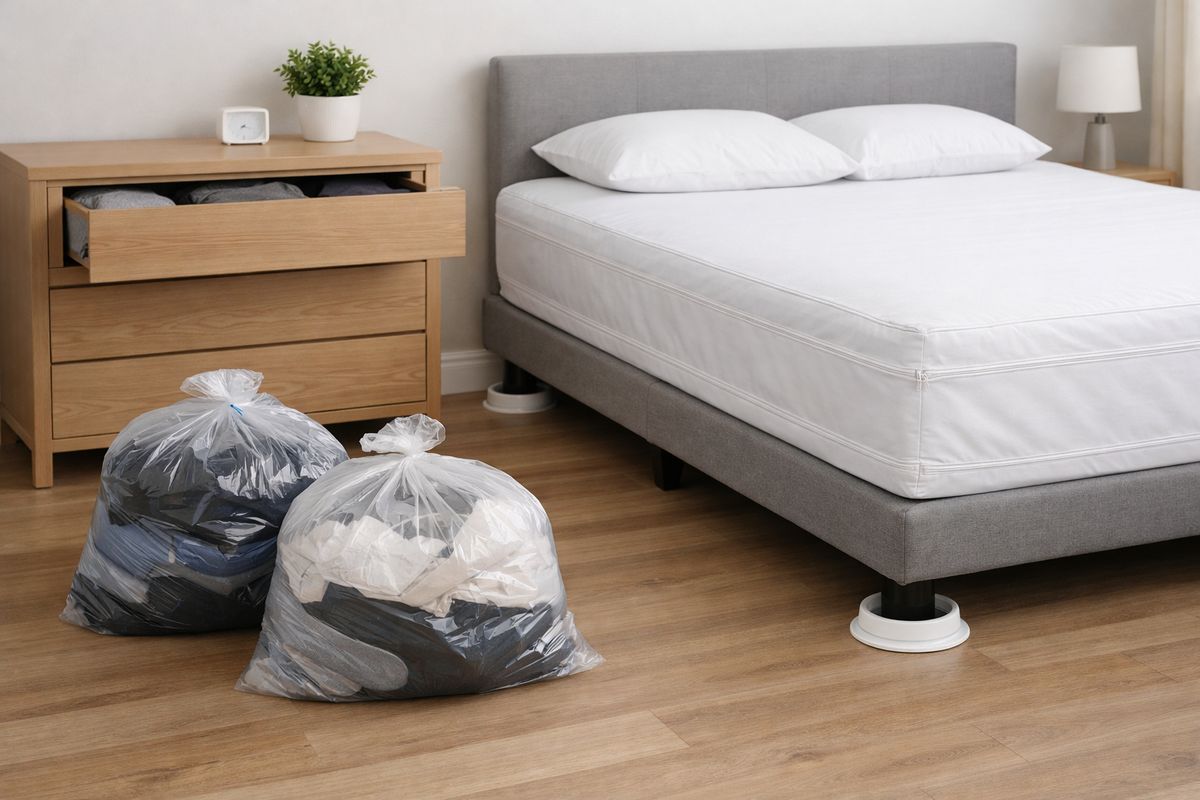
Start with clutter. Not because clutter causes bed bugs, but because clutter gives them endless cool hiding spots. Bag loose items properly, follow laundry instructions, clear under beds, empty the bedroom floor, and move furniture only as directed.
A concrete example helps: if crews are scheduled for early morning, bagging that pile of clothes from the bedroom floor before 8 a.m. matters more than alphabetizing your closet. Focus on access and airflow, not perfection.
Do not hide items in sealed corners, random bins, or your car unless the company tells you to. Moving infested items around without a plan is how bed bugs spread.
Right after treatment
You’ll usually be told when it’s safe to re-enter, what items can be returned, and what monitoring tools should stay in place. Interceptors and monitors often remain for weeks because the goal is confirmation, not wishful thinking.
If you see one bug later, do not assume the whole treatment failed. It could be a dying bug, a missed pocket now exposed, or a separate issue that needs inspection. What matters is the pattern over time, not a single alarming moment.
How to avoid bringing bed bugs back in
After all this, you want prevention to feel doable, not obsessive. Stick to simple habits. Inspect secondhand furniture carefully before bringing it inside. Keep luggage off beds during and after travel. Unpack in a controlled area. Dry travel clothing on high heat when you get home if there is any concern. Check your bed area early after trips instead of waiting until bites show up.
Bed bug prevention is less about paranoia and more about catching problems while they are still small enough to handle cheaply.
Common Mistakes That Make Heat Treatment Feel Like a Rip-Off
When people say heat treatment was a rip-off, the story usually includes one of a few predictable mistakes. Knowing them now can save you a lot later.
Choosing on price alone
The lowest bid often cuts the exact parts that make heat effective: prep support, enough labor, enough time, enough sensors, and follow-up. Cheap heat can turn into very expensive bed bugs.
If a quote looks dramatically lower than the others, assume something is missing until proven otherwise.
Assuming one hot room means the whole problem is gone
A treated bedroom does not solve untreated belongings in the hallway closet, a couch in the living room, or bed bugs moving through an adjoining wall. Heat only works on the areas and items that actually reach lethal temperature.
That sounds obvious, but panic makes people focus on the bed and ignore the rest of the picture.
Treating symptoms instead of confirming the source
Bites alone are not proof of bed bugs. Skin reactions can come from other insects, irritation, or no bug at all. Paying for premium treatment without a solid inspection is one of the fastest ways to feel burned.
Confirmation comes first. Then the treatment decision.
Best Bed Bug Treatment Choice by Situation
You do not need one universal answer. You need the right answer for the situation in front of you.
Best choice if you need speed above all else
Professional heat treatment is usually the best choice when rapid turnaround matters most and the infestation is established or spread beyond one simple area. If your goal is to get a room back fast and stop the situation from dragging out, heat earns its price.
Best choice if you’re on a tighter budget
An inspection-led targeted treatment plan with monitoring and follow-up is usually the smarter buy when money is tighter. You may not need whole-home heat, especially if the problem was caught early and contained.
Best choice if you want the strongest overall plan
Heat plus an IPM-style follow-up plan is usually the strongest overall approach. That means heat for fast knockdown, then monitoring, vacuuming, encasements, clutter control, and targeted follow-up where needed. It is not flashy. It is just the most sensible version of thorough.
Best choice if you’re still not sure bed bugs are the issue
Start with confirmation. If you are still guessing, do not jump straight to a premium treatment. Book an inspection or put monitors under the bed legs this week so you can stop guessing and start getting answers.
Frequently Asked Questions
How long does bed bug heat treatment take?
Most treatments take several hours, often a full day once setup, heating, hold time, and cooldown are included. The exact timeline depends on room size, clutter, layout, and how long it takes the coolest hiding spots to reach target temperature.
Can bed bug heat treatment kill eggs?
Yes, if the treatment is done properly. Eggs are harder to kill than adult bed bugs, which is why temperature monitoring and enough hold time matter so much. A rushed or uneven job is far more likely to leave eggs behind.
Do you need to wash everything before heat treatment?
Not everything, but you usually do need to follow specific prep instructions. Laundry, bagging, reducing clutter, and clearing access around beds and furniture all help the treatment work better. Washing alone usually will not solve the problem, though high-heat drying can help with fabrics.
Is heat treatment safe for electronics and furniture?
Some electronics and furniture can stay, but not everything handles treatment well. Certain items, including wax, vinyl records, aerosol cans, medications, and heat-sensitive belongings, may need to be removed. A good company should give you a clear written prep list before treatment day.
What if you still see a bed bug after treatment?
One sighting does not automatically mean failure. You could be seeing a dying bug, a bug displaced by treatment, or a sign that follow-up is needed. What matters is whether activity continues over time and what the inspection shows afterward.
Is heat treatment better than chemical treatment?
Not always. Heat is often better when speed, broad coverage, and reduced chemical residue matter most. Chemical treatment can be the better value for limited infestations, tighter budgets, or situations where a slower multi-visit plan makes more sense. The better choice depends on the infestation, the home, and how well the plan is executed.