
Searching for a bed bug exterminator near me usually starts the same way: you wake up itching, strip the bed, and end up shining your phone flashlight into mattress seams at 11 p.m. The good news is that you do not need to guess your way through this. You need to know what signs matter, what kind of company actually knows bed bugs, and how to compare quotes without getting trapped by the cheapest option.
Signs You Need a Bed Bug Exterminator Now
Bed bugs are one of those problems that feel unreal until you spot the evidence. Maybe it starts with itchy bites on your arm. Maybe you notice black specks along the mattress piping. Maybe a tiny bug darts behind the headboard and suddenly sleep becomes impossible.
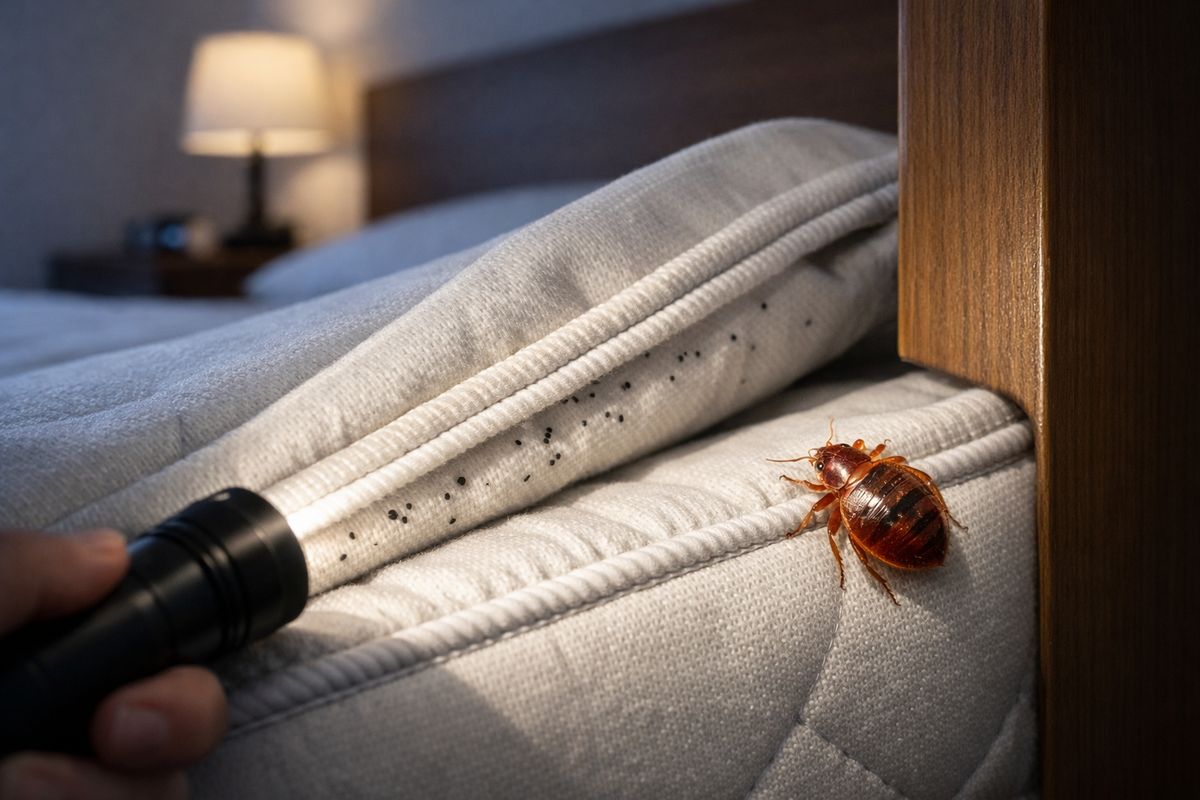
Here’s the direct truth: bites alone do not confirm bed bugs. Skin reactions vary too much, and mosquito bites, fleas, allergic rashes, and irritation from detergents can all look similar. What matters is physical evidence, such as live bugs, dark fecal spots that look like ink dots, shed skins, tiny white eggs, or repeated bite clusters paired with signs around the bed.
Fast action matters because bed bugs do not stay small for long. Females can lay up to 5 eggs per day, and young bed bugs can mature in about three weeks. That is why waiting a month to “see if it gets better” is usually a bad bet.
What bed bugs actually look like
A bed bug is flat, reddish-brown, oval, and about 1/4 inch long as an adult. No wings. No jumping. No flying. After feeding, the body can look a little more swollen and darker, which makes people second-guess what they saw.
The common mix-ups are easy to understand. Carpet beetles are usually rounder and patterned. Fleas are smaller and jump. Ticks are more spider-like, with a different body shape. In fact, only 29% of Americans can correctly identify bed bugs, which is one reason a solid inspection matters so much.
Where you’re most likely to find them first
Most people look only at the top of the mattress. Bed bugs love that mistake.
Start with mattress piping, tags, seams, and folds. Then check the box spring, headboard cracks, bed frame joints, nearby nightstands, couch seams, baseboards, and outlet covers. Bed bugs are good at hiding close to where you rest, but infestations often spread outward into nearby furniture and wall voids. In apartments, condos, and townhouses, shared walls can turn one room’s problem into a building problem if nobody deals with it properly.
Why Hiring the Right Pro Matters More Than Hiring the Cheapest One
A real bed bug plan is not “just spray it and hope.” Bed bugs hide in tiny cracks, can survive for months without feeding, and have shown resistance to some common products. Pest pros consistently rank them among the hardest pests to eliminate, with 76% calling them the most difficult to get rid of.
That means the right company does more than show up with a can. You want inspection, identification, a treatment plan built for your layout, and follow-up to catch any hatchlings or missed harborages. If you already suspect an active infestation, professional help is usually the fastest route back to normal life.
If you want a fuller sense of the timing, this guide on when it stops being a wait-and-see problem can help you judge urgency.
Why DIY often backfires
Store-bought foggers and random sprays feel tempting because they are on the shelf right now. The catch is that bed bugs do not sit in the open waiting for mist to reach them. They wedge into seams, screw holes, outlet gaps, and furniture joints.
Foggers are a bad idea. The Illinois Department of Public Health warns that bombing or fogging is ineffective against hidden bed bugs and can add fire risk. Random spraying can also push bugs deeper into walls or into the next room, which is a bit like chasing glitter with a leaf blower. You still have the problem, just in more places.
Saving money upfront can stretch the infestation out for weeks or months. That is the expensive part.
When same-day or next-day service is worth it
Not every case needs panic, but some situations deserve speed. If bites are showing up more nights than not, if you just got back from travel and found signs in luggage or bedding, if you have seen bugs in more than one room, or if you live in attached housing, fast service is worth paying for.
Travel-related infestations can sometimes be caught early. Multi-room or multi-unit infestations get harder fast. Bed bugs are found in all 50 states, and dense housing gives them more paths to spread than most people realize.
What to Look for in a Bed Bug Exterminator Near You
This is where your decision gets easier. Instead of trying to decode marketing claims, focus on a few practical things: licensing, bed bug experience, inspection quality, treatment options, prep help, follow-up, and communication.
A good company should sound calm, specific, and organized. If the person on the phone gets vague when you ask what happens after the first visit, keep looking.
Licensing, insurance, and bed bug-specific experience
A general pest company is not automatically a strong bed bug company. Ants, roaches, and wasps are different jobs with different hiding patterns, treatment timing, and follow-up needs.
Verify state licensing and insurance first. Then ask how often the company treats bed bugs, especially in homes like yours. A single-family house, cluttered apartment, and townhouse with shared walls are not the same problem. You want recent, real experience, not “yes, of course, we do everything.”
A clear inspection process before treatment
A solid inspection should cover more than the mattress. Expect beds, nearby furniture, surrounding rooms, and likely hiding spots within the sleeping area to be checked carefully. Good companies confirm the pest instead of guessing from a blurry phone photo.
That matters because bed bugs are often missed early, and small infestations can hide well. If you want help recognizing those early clues, this breakdown of what signs tend to matter most is useful before booking.
Treatment plan, follow-up schedule, and what success looks like
A strong quote should explain what gets treated, how many visits are included, whether monitors or interceptors will be used, what prep is required, and how success is measured. That last part gets overlooked all the time.
You do not want “we’ll know when it’s better.” You want something more concrete, such as follow-up inspections, monitoring devices, and a clear retreatment policy if activity continues during the service window.
Compare Treatment Methods Before You Say Yes
Treatment method affects price, prep, disruption, and odds of success. Ignore any company that acts like one trick solves every infestation. The best plans usually mix methods based on the home, the infestation size, and your priorities.
Heat treatment
Heat treatment means raising a room or home to temperatures high enough to kill bed bugs and eggs. The appeal is obvious: fast results, no lingering spray smell, and strong performance when done correctly. This is why many homeowners look closely at professional thermal treatment options when they want a quicker reset.
The catch is cost and execution. Heat usually costs more, and success depends on careful setup so cooler pockets do not let bugs survive. In some homes, follow-up treatment is still part of the plan. If you are comparing this option closely, it helps to read more about when paying extra for high-heat service makes sense.
Chemical treatment
Chemical treatment usually involves targeted insecticides, residual products, dusts, and crack-and-crevice applications. Done well, it can work very well. Done poorly, it becomes a cycle of partial control and repeated frustration.
Skill matters here because some bed bug populations resist certain products. A good company should explain why a specific product type is being used and where it will go. “We spray the room” is not a real answer.
Steam, encasements, and integrated treatment plans
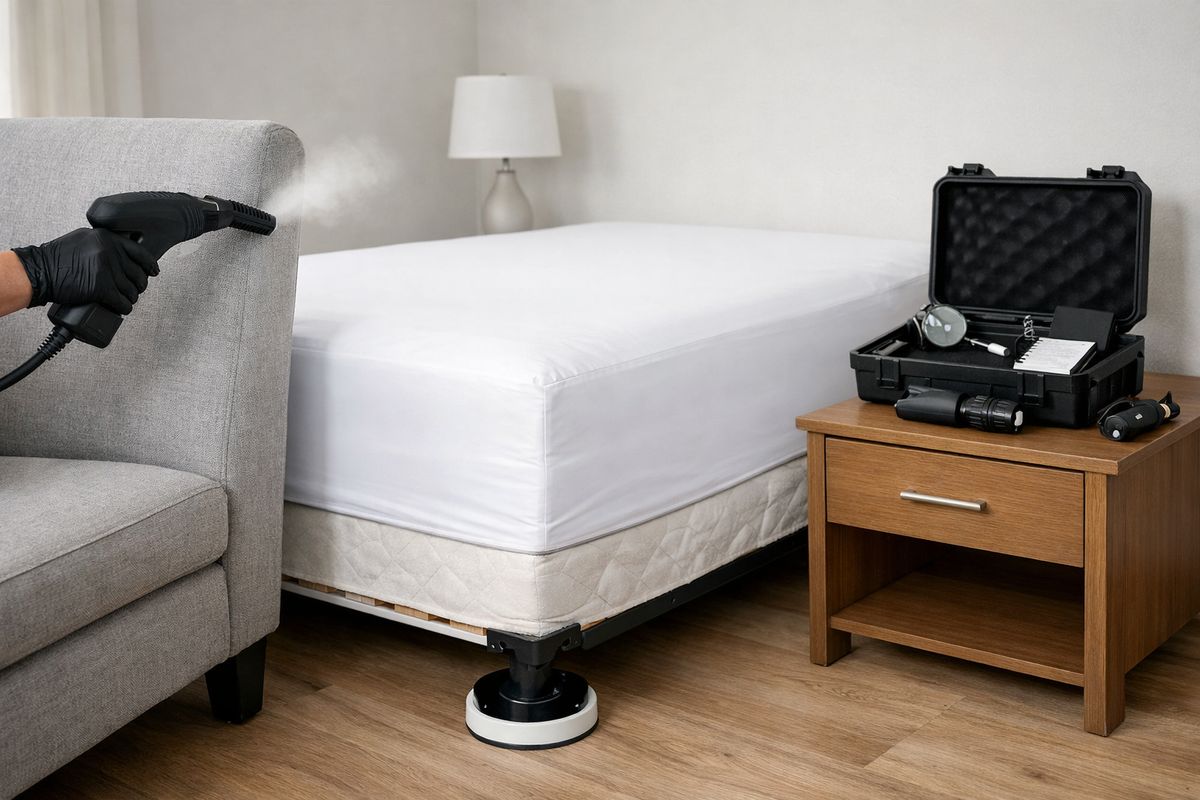
Steam can kill bed bugs on contact in seams, tufts, cracks, and upholstered edges. Encasements trap bugs inside mattresses or box springs and reduce hiding spots. Interceptors, which are small traps placed under bed legs, help track activity. Vacuuming also has a role when done carefully.
The strongest companies usually use a mix of methods. Public health guidance often points toward integrated pest management, which basically means combining tools instead of depending on one product or one visit.
Questions to Ask Before You Book
Phone calls go better when you know exactly what you are listening for. You are not trying to sound like a pest control pro. You are trying to tell the difference between a company with a process and a company with a script.
Ask these before signing anything
Ask how the company confirms it is actually bed bugs. Ask what treatment is recommended for your situation, not for “bed bugs in general.” Ask how many visits are included, what prep is required, whether adjoining rooms or nearby units are treated if needed, and what happens if bed bugs return during the warranty period.
Also ask what you should do tonight. A good answer is usually simple and controlled. Keep sleeping in the usual room unless told otherwise, avoid moving items around, and wait for prep instructions. If you need a clearer picture of what those instructions should look like, this walkthrough on getting ready without missing a step helps.
Red flags that should make you keep looking
Quotes without a real inspection are a red flag. Promises of a one-visit cure in every case are another. So are vague answers about prep, follow-up, warranty terms, or license information.
Pressure to pay in full immediately is not a great sign either. Neither are reviews that mention re-infestation followed by silence from the company. Bed bugs are stressful enough. You do not need customer service drama on top of it.
What Bed Bug Treatment Usually Costs
There is no honest flat rate that fits every home. Price changes based on square footage, number of affected rooms, clutter level, infestation severity, treatment method, number of visits, and your local market.
That is why the lowest quote can cost more later. If one company includes inspection, two follow-ups, monitors, and a retreatment policy, while another just includes a single visit and vague promises, those are not comparable offers.
What changes the price the most
A studio with activity around one bed is usually cheaper than a whole house with signs in bedrooms and living room furniture. Heat often costs more than repeated chemical service. Heavy clutter and difficult access can raise labor time. Multi-unit coordination can change scope too.
If you want a deeper look at what really moves the quote up or down, it helps to compare factors before you start calling.
How to compare quotes fairly
Line up the scope side by side. Compare inspection depth, treatment areas, number of visits, prep support, monitoring, warranty length, and retreatment terms. Total price matters, but it is not the only number that matters.
A more expensive quote can still be the better deal if it includes the pieces that actually finish the job.
How to Get Your Home Ready for Treatment
Prep matters, but the company should tell you exactly what to do in plain English. If instructions are vague, that is a service problem.
In most cases, prep includes bagging linens, drying dryer-safe items on high heat, reducing clutter carefully, and moving furniture only if instructed. Do not toss infested items onto the curb unwrapped. That can spread bugs and create a problem for someone else.
What good prep instructions should include
Good prep instructions should walk you through bedding, laundry, clothing, stuffed items, drawers, closets, and sometimes electronics. They should also tell you what not to do, which is just as useful.
A concrete detail to watch for: dryer-safe clothes should go on high heat for 30 to 45 minutes after travel or before treatment prep. That kind of specificity is helpful. So is a room-by-room checklist. If you want one, this simple prep list to work through first can keep the process from turning into chaos.
Mistakes that can spread bed bugs around your home
Dragging untreated blankets through the hall, moving furniture from one room to another, or sleeping in a different room too soon can make the infestation harder to contain and harder to track.
The instinct to escape the room is understandable. But bed bugs follow hosts, and random movement spreads them. Controlled prep is good. Panic-cleaning is not.
Choosing the Best Exterminator for Your Situation
The best company for your neighbor may not be the best one for you. The right fit depends on where you live, how early you caught it, and what kind of treatment limits you have.
If you live in an apartment, condo, or townhouse
Ask whether adjacent units may need inspection and whether the company works with landlords or property managers when required. In shared-wall housing, treatment can fail if nearby activity keeps reintroducing bed bugs.
This matters a lot because infestations in multi-unit buildings can spread through shared structures and hidden voids. A company that treats only your mattress and leaves the surrounding puzzle untouched is not solving the real problem.
If you found signs right after travel
Move fast. Travel-related introductions are often easier to contain when caught early. Look for a company that can inspect quickly and give immediate advice about luggage, laundry, and where to isolate suspect items.
A phone flashlight check on mattress seams and headboards is a common hotel habit for a reason. Unfortunately, only 28% of Americans check hotel rooms before staying overnight, so a lot of infestations still hitchhike home the old-fashioned way.
If you need low-odor or lower-toxicity options
Ask about heat, steam, targeted applications, re-entry timing, and how the company minimizes disruption if you have kids, pets, sensitivities, or simply want the least intrusive option.
Demand for lower-toxicity and eco-friendlier approaches has been growing, but vague “green” claims are not enough. Ask what methods are actually used and what trade-offs come with them.
Try This Before You Hire Anyone This Week
Call or message three local companies and ask the same five questions: how do you confirm it is bed bugs, what treatment do you recommend for your layout, how many visits are included, what prep is required, and what happens if activity returns during the warranty period.
Write the answers side by side. Compare inspection process, treatment plan, follow-up, and support, not just price. That one small step turns an overwhelming problem into a manageable decision.
Frequently Asked Questions
How fast should you call an exterminator after finding signs of bed bugs?
Call as soon as you find physical signs such as live bugs, dark spotting, shed skins, or eggs. Bed bugs reproduce quickly and spread easily, especially in attached housing. Waiting usually makes treatment bigger and more expensive.
Can one treatment get rid of bed bugs for good?
Sometimes, but you should not assume that. Many infestations need follow-up visits because eggs can hatch after the first service or bugs can be missed in hidden spots. A company that builds follow-up into the plan is usually thinking more realistically.
Should you throw away your mattress if you have bed bugs?
Not automatically. Many mattresses can be treated and then protected with an encasement. Tossing furniture too quickly can spread bugs through the home or hallway if items are moved without proper wrapping and handling.
Is heat treatment better than chemical treatment?
Not in every case. Heat can work fast and kill eggs, but it often costs more and needs careful setup. Chemical treatment can also work well when done skillfully. The best choice depends on your home, infestation size, timing, and budget.
Can you sleep in your bed while waiting for treatment?
In many cases, yes. Unless your exterminator tells you otherwise, staying in the usual sleeping area can help keep bed bugs from spreading to new rooms. Sleeping on the couch or in a guest room often makes tracking and control harder.
How do you know if a local bed bug company is actually good?
Look for licensing, insurance, recent bed bug-specific experience, a real inspection process, clear prep instructions, follow-up visits, and a written explanation of what success looks like. If the company sounds vague before booking, service probably will not improve after booking either.