
If you’re wondering when to call exterminator for bed bugs, the short answer is sooner than most people think. Bed bugs are not a “wait a few days and see” kind of pest, and the trick is knowing which signs mean you can try a quick response at home and which ones mean it’s time to book professional help right away.
How to Tell if You’re Dealing With Bed Bugs
Bed bugs are small, flat, reddish-brown insects that hide close to where you sleep and come out mostly at night to feed. Unlike a random spider in the bathtub, bed bugs usually mean an active infestation that gets harder to fix the longer it sits.
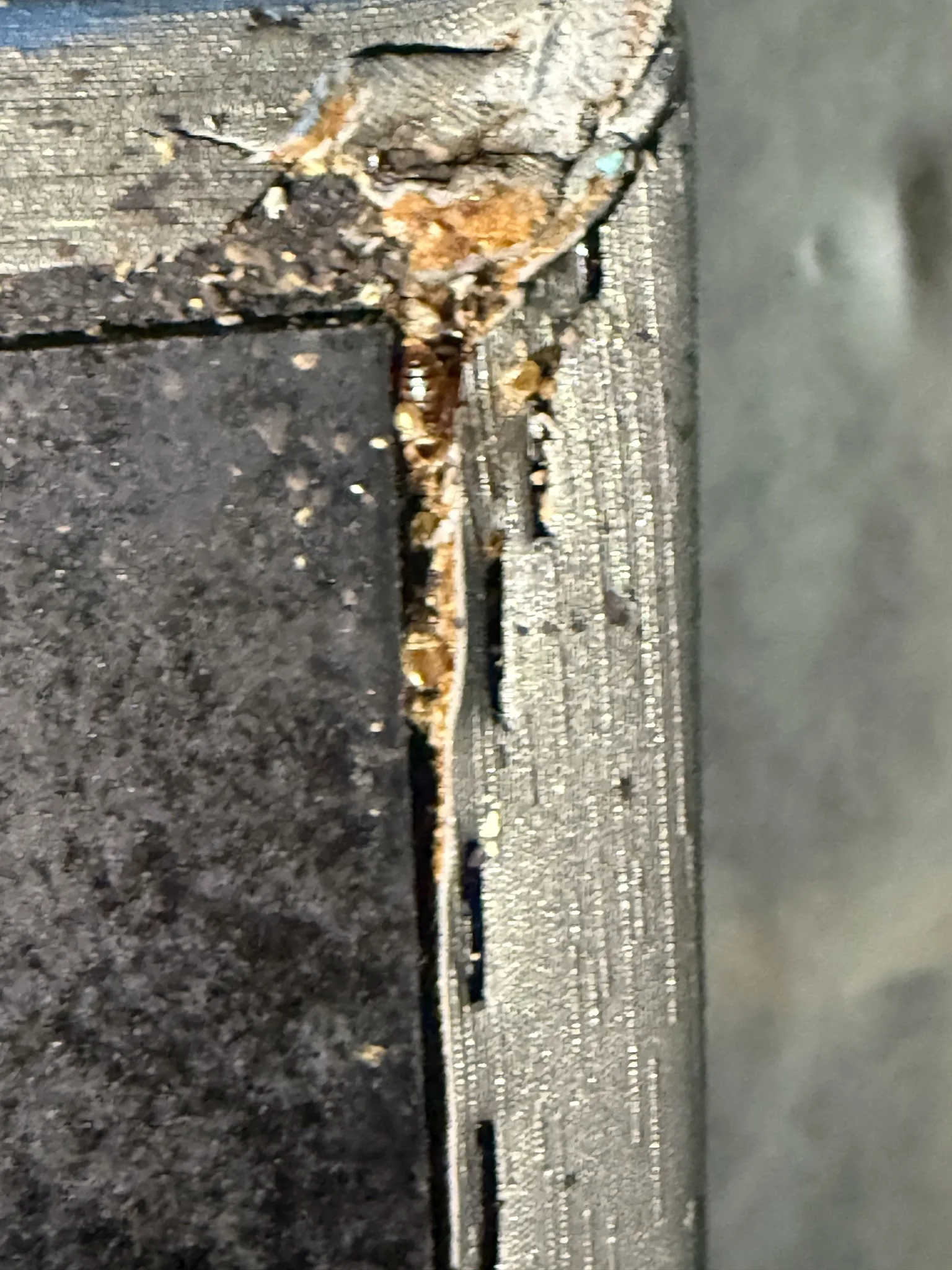
You’ll usually find them in mattress seams, box springs, bed frames, headboards, nearby nightstands, upholstered chairs and tiny cracks near the bed. Common signs include itchy bites, rusty blood spots, dark pepper-like fecal dots, shed skins and sometimes a sweet, musty odor. According to the CDC, common bed bug signs include blood spots, shed skins and that distinct smell.
Common signs you can spot around the bed
Start where your body stays still the longest: the bed. Check the piping and seams of the mattress, lift the corners of the fitted sheet, look under mattress tags and inspect the box spring and headboard joints with a flashlight. Bed bugs like tight, dark hiding places, kind of like glitter that only shows up in the spots you least want it.
A very real moment for a lot of people goes like this: you wake up itchy at 2 a.m., pull back the sheet, and notice tiny rust-colored spots near the corner of the fitted sheet. That’s not proof by itself, but it’s enough to stop brushing the problem off and start checking nearby furniture, baseboards and cracks around the bed.
What bed bug bites can and can’t tell you
Bites can show up in lines, clusters or scattered patches, but bites alone do not confirm bed bugs. Skin reactions vary a lot, and other bugs or even irritation from detergent can look similar. Penn State notes that bites should not be used to diagnose bed bugs on their own.
That said, the impact is still real. Bed bugs are not known to spread diseases, but bites can leave you scratching, losing sleep and feeling on edge in your own bedroom. That is reason enough to take the problem seriously.
When to Call an Exterminator Right Away
Here’s the direct answer: call an exterminator as soon as you have confirmed evidence, signs in multiple places or a problem that keeps returning. Bed bugs hide extremely well, spread faster than most people expect, and their eggs can survive partial treatment.
You found live bed bugs, eggs or multiple signs in more than one spot
If you found a live bug on the mattress and also see spots on a nearby chair or couch, treat that as an established infestation. Same if you find eggs, shed skins or dark spotting in several hiding spots. One confirmed bug is bad enough. More than one sign in more than one place means the problem is already settled in.
The problem is spreading beyond one room
Once bed bugs move from the bed to sofas, other bedrooms, luggage or baseboards, the window for a simple fix gets small. In apartments, condos and duplexes, the urgency jumps because bed bugs can spread between units. Shared walls make this a building problem fast, not just a bedroom problem.
You already tried DIY and you’re still getting bites or finding bugs
If you’ve already washed bedding, vacuumed carefully, added encasements or used store-bought products and you’re still finding bugs, DIY has stopped being the cheaper option. The catch is bed bugs often survive partial treatment, then come back once you think you’re in the clear.
Your home has clutter, lots of hiding spots or hard-to-treat furniture
Cluttered floors, packed closets, stacks of laundry, cracks in old furniture and upholstered pieces give bed bugs too many places to hide. This is where integrated pest management comes in, which just means a layered plan that combines cleaning, heat, monitoring, sealing and targeted products instead of depending on one spray. If you want a better sense of what treatment types involve, this guide to comparing heat and chemical options helps make the decision less murky.

When a Small DIY Response May Be Reasonable First
A short DIY window can make sense, but only in very limited situations. Think of it as a quick test, not a long-term strategy.
Situations where a short DIY window makes sense
If you just got back from travel, found one suspicious bug and haven’t seen signs anywhere else, a focused response may be worth trying first. The same goes for signs limited to one sleeping area with no evidence on nearby furniture. But keep the timeline short. A week or two of organized action is reasonable. Months of guessing is not.
The basic steps worth trying before you book help
Wash and dry bedding, pajamas and nearby clothing on high heat. A dryer on high for 30 minutes can kill bed bugs in many washable items. Vacuum seams, edges, bed frames and nearby cracks slowly and thoroughly. Use mattress and box spring encasements, reduce clutter, seal cracks and keep suspect items bagged instead of moving them around the house.
If you do end up hiring help, getting ready properly matters almost as much as the treatment itself. A clear prep guide before treatment day can save you from missing the small steps that slow everything down.
DIY mistakes that usually make the problem worse
Bug bombs and foggers are a bad bet. So is dragging infested blankets into the laundry room uncovered, moving furniture into another bedroom, or tossing a chair to the curb without wrapping it first. The problem with half-measures is simple: bed bugs survive, then spread.
Why Bed Bugs So Often Need Professional Treatment
Bed bugs hide in places you would never think to check, behind baseboards, inside furniture joints, under carpet edges, even near wallpaper seams. They can also live for months without feeding, which is one reason infestations seem to disappear and then show back up.
What professionals do that DIY usually misses
A good exterminator does more than spray. The job starts with inspection, then containment, then treatment, then follow-up. That may include monitors, interceptor cups, room-by-room treatment planning and experience spotting hidden harborages, which is just the pest control term for where bed bugs are nesting.
Professionals also know when whole-room heat treatment makes sense and when targeted products are the better fit. If you’re worried about pricing, it helps to understand what changes the final quote before you start calling around.
What to expect from a bed bug treatment plan
Most solid treatment plans happen in phases. You may get prep instructions first, then chemical treatment, heat treatment or both, followed by return visits and monitoring. EPA guidance says IPM works best, and that usually means more than one method and more than one visit.
One thing to keep in mind: a company that promises a miracle in a single visit is selling comfort, not reality.
How to Choose the Right Exterminator for Bed Bugs
Panic-booking the first company that answers the phone is understandable, but it’s still a mistake. Bed bug work is too specialized for that.
Questions to ask before you hire anyone
Ask whether the company is licensed and insured, how much bed bug experience it has, whether it uses integrated pest management, how many visits are included, what prep you need to do, and what happens if activity continues after treatment. If you want a deeper checklist, this article on how to vet a local specialist gives you the right things to look for.
Red flags to watch for
Watch for vague pricing, no inspection before quoting, heavy reliance on foggers and no clear follow-up plan. And here’s the blunt version: if a company says one quick spray will solve bed bugs for good, keep looking.
What to Do While You Wait for the Exterminator
The goal now is containment, not perfection. You want fewer hiding places and less chance of spreading bugs to other rooms.
Steps that help contain bed bugs now
Bag laundry before moving it, dry items on high heat, and keep cleaned items sealed. Vacuum carefully around the bed and reduce bedside clutter so fewer things need treatment later. Avoid moving belongings from room to room, and do not start sleeping on the couch or in a guest room. Sleeping elsewhere can pull bed bugs into new areas.
One thing to try this week
Strip the bed, check the mattress seams and headboard with a flashlight, and if you see suspicious spots, bag the bedding and dry it on high heat right away. That one step won’t solve a full infestation, but it gives you a cleaner starting point and a clearer picture of what you’re dealing with.
Calling a Bed Bug Exterminator in Richmond, VA
If the signs above match what you are seeing, call us at (804) 346-5667. We serve Richmond and the surrounding counties, plus the Charlottesville area, and same-day or next-day inspections are often available. See how our bed bug treatment works before you book.
Frequently Asked Questions
How soon should you call an exterminator after finding one bed bug?
Call quickly if you’re sure it was a bed bug. One confirmed bug often means more are hiding nearby, especially if you also notice spots, shed skins or bites.
Can you get rid of bed bugs without an exterminator?
Sometimes, but only if the problem is caught very early and stays limited to one area. If signs keep showing up after laundry, vacuuming, encasements or store products, professional treatment is the smarter move.
Should you throw out your mattress if you have bed bugs?
Usually no. Throwing out furniture too fast can spread the infestation and add cost you may not need. Encasements and proper treatment are often better than hauling items through the house.
Are bed bugs an emergency?
They’re not usually a medical emergency, but they are urgent. Waiting gives them more time to spread, lay eggs and move into harder-to-treat spots.
Is one treatment enough for bed bugs?
Often no. Many infestations need multiple visits, follow-up checks and a mix of methods before activity truly stops.