
Finding bed bugs at 11 p.m. changes the mood of your whole house fast. One look at rust-colored specks on the mattress seam or a line of bites on your arm, and suddenly you need the best bed bug treatment, not a vague promise. The short version is simple: for most real infestations, heat plus chemical treatment gives you the best chance of getting rid of bed bugs for good, and this guide shows you when that’s true, when it isn’t and how to choose wisely.
Start with the question that matters: what gives you the best chance of getting rid of bed bugs for good?
If your goal is speed alone, heat is hard to beat. If your goal is backup protection after the obvious bugs are dead, chemical treatment matters. If your goal is lasting elimination in a real home, with bed bugs tucked into baseboards, bed frames, outlets, clutter and maybe even the next room, the strongest answer is usually both. That’s not a sales pitch. It’s just how bed bugs behave. Bed bugs are excellent at hiding, and a treatment that works beautifully in open areas can still miss bugs in protected spaces. The best choice depends on what’s happening in your home right now: one recently infested guest room is different from a two-bedroom apartment where activity keeps popping up after every attempted fix.Heat vs. chemical vs. both: the short answer
Heat kills fast. Chemical treatment lasts longer. Using both usually covers the weaknesses of each. A professional heat treatment raises the treated area to lethal temperatures and keeps it there long enough to kill bed bugs and eggs. Chemical treatment uses residual sprays or dusts in cracks, crevices, baseboards, bed frames and other hiding spots so bugs die later when crossing treated areas. When you combine them, you get quick knockdown plus lingering protection.If you want the fastest answer
Here’s the clearest version: heat is best for fast knockdown, chemicals are best for follow-up and staying power, and both is usually best for lasting control. That’s the practical answer most homeowners need. Bed bugs can slip into cooler spots, wall voids, dense furniture and clutter piles. Heat handles a lot at once, but it does not leave anything behind. Chemicals can keep working after the room cools down, which matters more than most people realize.Why “best” depends on your home, not just the treatment
A small infestation in one bedroom is one thing. A larger infestation in a cluttered house, a duplex or an apartment building is another thing entirely. The choice changes based on infestation size, how many rooms show signs, how much furniture and clutter are in the space, and how easy it is for bugs to move between rooms or units. Shared walls raise the stakes. So does reinfestation risk. If bed bugs are already spreading or coming back, a single-method plan starts to look less appealing.
How each treatment works in real life
The terms sound straightforward until you’re trying to hire someone. Then everything starts blending together. Heat, steam, dust, spray, residual, contact kill. The trick is knowing what happens in your house, not just what sounds impressive on a website.Heat treatment
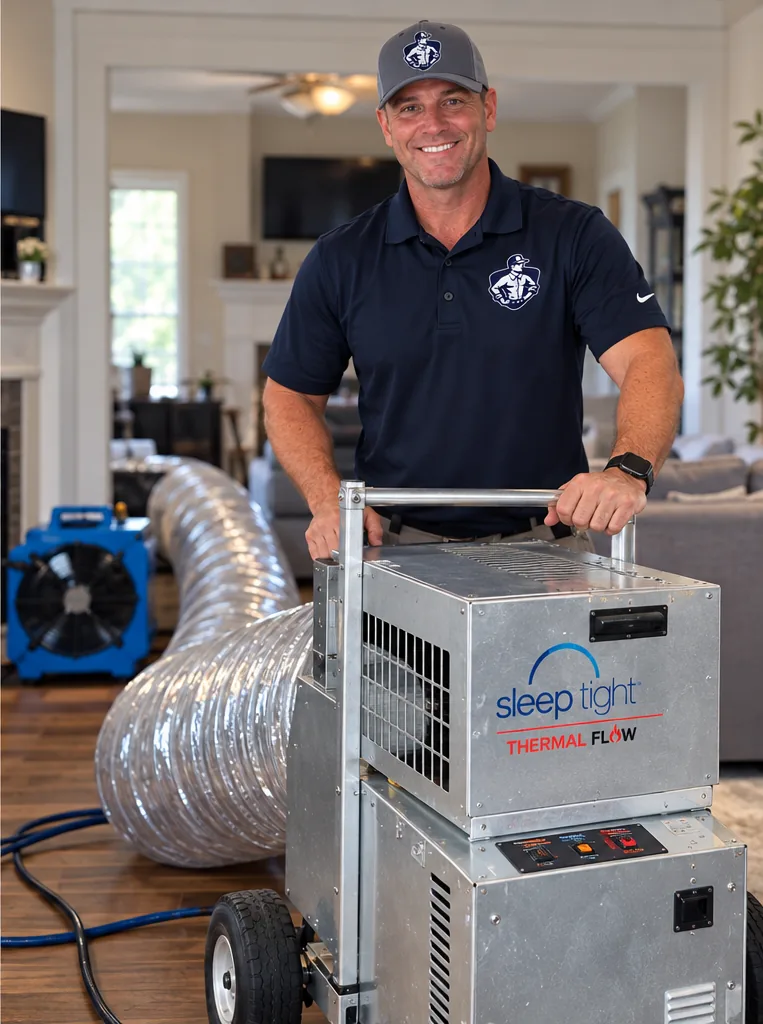
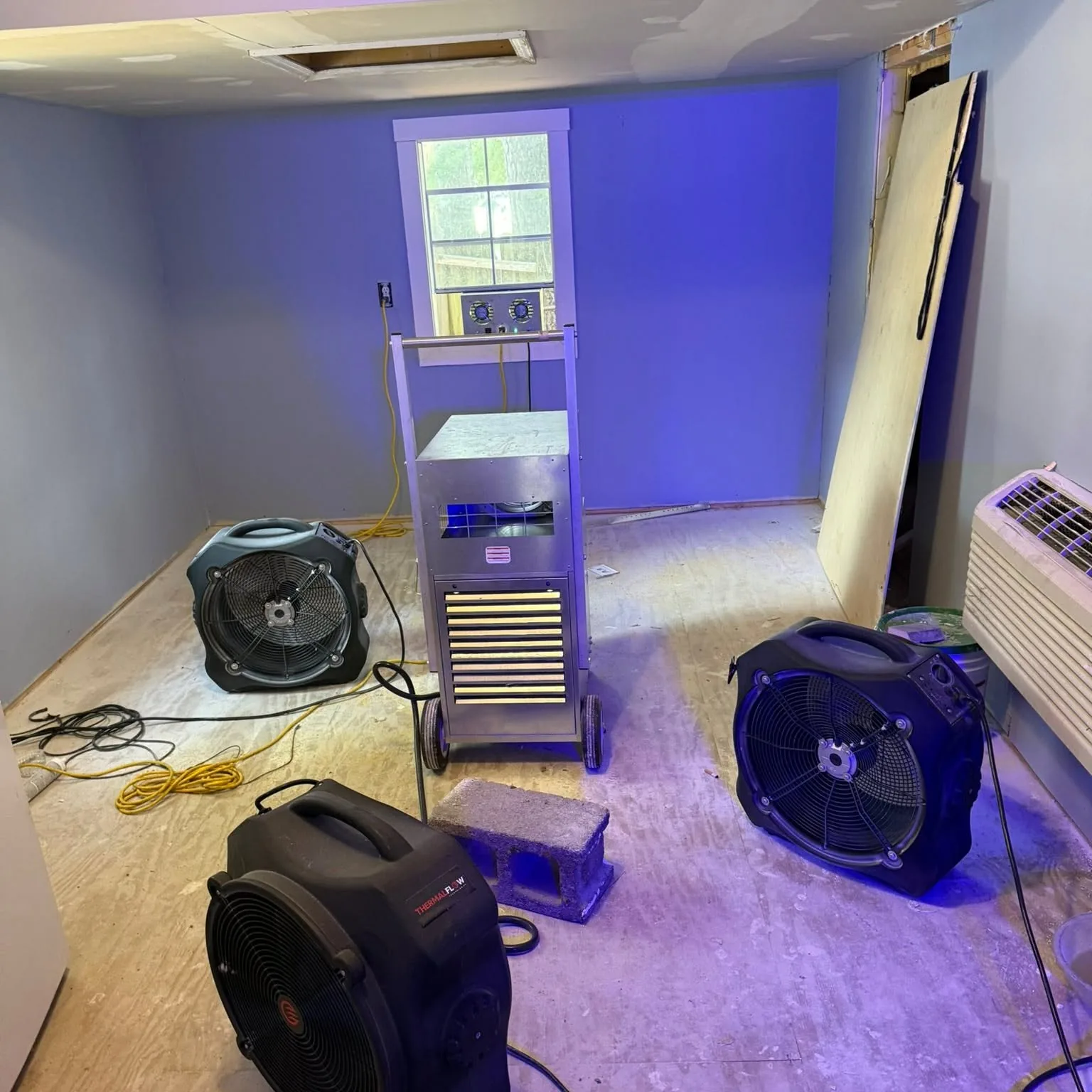
Professional heat treatment means raising a room, or sometimes a whole home, to temperatures that kill bed bugs. According to Virginia Tech, adults and nymphs die at 118°F, while eggs require 122°F. That sounds simple, but the real job is not making the room feel hot. It’s getting those temperatures deep into hiding spots. A good crew uses heaters, fans and temperature sensors placed where bugs hide, like mattress seams, baseboard gaps, furniture joints and floor-wall junctions. Some jobs last around six hours, though the exact timing depends on the structure, the equipment and how hard the space is to heat evenly. If you want a closer look at what that service really involves, this guide on when a full-room thermal approach is worth paying for helps sort out the tradeoffs. Targeted steam is a separate tool. It can kill bed bugs on contact in seams, tufts and edges, but it is not the same as full-structure heat. Steam is useful, though it usually works best as part of a broader plan.Chemical treatment
Chemical treatment usually means residual sprays and dusts applied to the places bed bugs use as highways and hiding spots. Think baseboards, bed frames, cracks in furniture, voids around outlets and the edges of carpeting. The point is not soaking the room. The point is putting the right material in the right places so bed bugs die when crossing or hiding there. Some products kill on contact. Others keep working for weeks or longer. Resistance is the catch. Research on bed bug resurgence points to insecticide resistance as one reason these infestations have become so persistent, which is why one quick spray almost never solves a real problem.Combination treatment
Combination treatment layers the two methods. Heat knocks down the active population quickly. Chemical products stay behind to catch bugs that escaped to cooler zones or emerge later from hidden spaces. That sequence matters. Field practice has shown that applying insecticide before heat can help fleeing bugs run into treated areas, and a University of Florida study found insecticides before heat increased mortality without losing effectiveness. In plain English: the backup plan can make the main plan work better.What heat treatment does really well , and where it can fall short
Heat gets a lot of attention because the idea is so appealing. Make the room hot enough, kill everything in one shot, move on with life. Sometimes that happens. Sometimes it doesn’t.Why heat is so appealing
Heat is fast, and that matters when you’re losing sleep. Done correctly, it can kill large numbers of bed bugs in a single day, including bugs that shrug off some insecticides. Purdue-related reporting has also noted limited heat resistance, which makes thermal treatment especially attractive when chemical resistance is a concern. It also appeals to anyone who wants to reduce pesticide use. That’s a real preference in the market, and honestly, it makes sense. If you want a lower-odor option with less residue inside the living space, heat naturally feels more comfortable.The catch with heat: cold spots and hidden bugs
Heat is only as good as its execution. A room can feel sweltering and still contain protected areas that never reach lethal temperature. That’s the part people miss. Virginia Tech warns that ambient room temperature is not enough. Technicians need to monitor actual hiding spots and adjust heaters and fans as the job progresses. Cold spots can show up in wall voids, thick mattress seams, furniture interiors, clutter piles and floors over concrete slabs. If those areas lag behind, some bed bugs survive. And a few survivors are all it takes to start the cycle again.When heat-only treatment makes sense
Heat-only treatment can make sense when the infestation is smaller, clearly localized and caught early. It can also fit homes where quick turnaround matters a lot, or where you strongly want to minimize pesticide use. The catch is that heat-only is not forgiving. You are betting heavily on the crew, the equipment and the setup. In a simple space with light infestation pressure, that can work. In a packed room with lots of hiding places, it gets riskier fast. If you’re checking signs before deciding, it helps to review what early warning clues usually look like so you know whether the problem still seems contained.
What chemical treatment does really well , and where it can fall short
Chemical treatment sounds older, slower and less glamorous. But dismissing it is a mistake. In many homes, it’s the part that keeps the problem from coming right back.Why chemical treatment still matters
Residual protection is the big advantage. After the initial service, treated cracks and crevices can still kill bugs that come out later. That matters because bed bugs rarely stay where you want them to stay. Chemical treatment also tends to cost less upfront than full heat treatment. It can be targeted to specific rooms or harborages, and it remains useful in awkward spaces that are difficult to heat evenly. In some homes, especially those with tricky construction details, chemical treatment is the practical backbone of the plan.The big downside: resistance and repeat visits
One spray is not a magic fix. Bed bugs in many areas show resistance to common insecticides, and chemical programs often require repeated visits, careful follow-up and a lot of discipline around prep and monitoring. That can feel frustrating, especially if you want the problem gone now. But slower does not mean worse. It means the treatment is working over time instead of all at once. For some households, the bigger issue is sticking with the process.When chemical-only treatment makes sense
Chemical-only treatment can make sense for mild infestations, early catches, targeted problem areas or tight budgets where full heat is out of reach. It also fits situations where whole-structure heat is impractical because of layout, building rules or sensitive contents. Still, chemical-only works best when the infestation is not far along. If bed bugs have spread into multiple rooms, couches or shared walls, a chemical-only plan can turn into a long slog.Why both treatments together usually work best
If you care most about full elimination instead of just temporary relief, this is the section that matters most. Combined treatment is often the strongest play because bed bugs are stubborn in two different ways: they hide well, and they come back from missed pockets.Heat handles the visible problem; chemicals handle the leftovers
Think of heat as a hard reset. It rapidly kills exposed and semi-hidden bed bugs across the treated space. Then residual products stay in place as insurance, especially in baseboards, bed frames, cracks, crevices and voids that are harder to heat or easier to miss. That layered approach is practical, not fancy. You want one method to do the heavy lifting and the other to close gaps. That’s why the best overall strategy often integrates multiple methods instead of relying on a single tactic.What research and field practice point to
The research lines up with what good field crews already know. Heat is excellent for immediate kill, but long-term control is less reliable if heat is used alone. Bed bugs seem to have limited ability to adapt to lethal heat, which keeps heat valuable. But hiding behavior and structural cold spots still make survival possible. Field and university findings also point to a smart sequence. Some companies apply residual insecticide before heating so bugs escaping the heat move into treated zones. That isn’t a fringe tactic. It’s backed by research and common field practice because it increases the chance that the last hidden bugs die too.Who benefits most from a combined approach
A combined approach makes the most sense if your infestation is larger, repeated, spread across multiple rooms or happening in a cluttered space. It also makes sense in apartments, condos, townhomes and duplexes where shared walls increase reinfestation risk. If bugs are showing up beyond the bed, or if you already tried to fix the problem and it came back, this is the point where it pays to stop thinking in terms of the cheapest first visit. Start thinking in terms of your best odds of being done with this.How to choose the right treatment for your situation
This is where the buying decision gets real. The best treatment is the one that matches the level of infestation, the type of housing and how much risk you can tolerate.If you just found signs in one room
A single room, especially after recent travel, sometimes points to an early-stage infestation. If activity seems limited to one bed or one room, targeted chemical treatment or a smaller heat plan may be enough. But “seems limited” can fool you. Bed bugs usually live close to where you sleep, though the CDC notes they can still travel surprising distances at night. If you are still sorting out what counts as convincing evidence, this walkthrough on when the signs are strong enough to act can help you avoid waiting too long.If the problem has spread or keeps coming back
Once activity shows up in multiple rooms, in couches, along baseboards or after a previous treatment attempt, a stronger combined plan usually makes sense. Repeated activity means some bugs survived, or new bugs are entering from another source. At that point, fast knockdown alone is not enough. You need a plan that addresses hidden survivors and gives you follow-up protection.If you live in an apartment, condo or duplex
Shared-wall housing changes the equation. Even a very good treatment can be undermined if bed bugs move from a neighboring unit through walls, outlets or common structural pathways. That doesn’t mean treatment is pointless. It means coordination matters. Inspection should include adjacent risk areas, and your treatment company should talk plainly about reinfestation risk and what needs to happen at the building level.If budget is your biggest concern
Budget matters. Nobody enjoys surprise pest control bills. But the cheaper first step is not always the cheaper outcome. A lower upfront chemical quote may turn into multiple visits over weeks. A higher heat or combination quote may shorten the problem and reduce the chance of starting over. If you’re comparing costs, it helps to understand what really changes the quote so you can compare value instead of just the top-line number.What a good bed bug treatment company should do before, during and after service
Method matters, but execution matters just as much. A sloppy heat job can fail. A rushed chemical job can fail. A careful company makes the difference.Before treatment: inspection and identification
A good company starts by confirming the pest is bed bugs. Bite marks alone are not enough. The CDC notes signs can include rusty spots, shed skins, live bugs in seams and folds, and other physical evidence. Inspection should include the bed, nearby furniture, baseboards and adjacent rooms, not just the obvious mattress surface. Training matters here. Virginia Tech even recommends choosing a certified pest management company over a heat-only operator, because identification mistakes happen and treatment quality suffers when the diagnosis is wrong.During treatment: temperature checks, airflow and hard-to-reach spots
During heat treatment, serious companies place sensors in hard-to-heat spots, not just in open air. You want to hear about fans, item rotation, furniture positioning and attention to concrete floors, wall voids and heavy furnishings. During chemical treatment, you want clear language about where products go and where they do not. If you’re comparing providers, one strong example of how companies explain professional thermal service details can help you spot whether another quote sounds thorough or vague.After treatment: documentation, monitoring and follow-up
Good companies do not vanish after the equipment leaves. You should get instructions, a monitoring plan and clear follow-up expectations. Virginia Tech recommends post-treatment documentation and follow-up inspection, which is a good standard to expect. That follow-through matters because bed bug control usually requires patience. A good company acts like that is normal, not like any sign after day one means you did something wrong.