
Getting a straight answer on heat treatment cost can feel weirdly hard. One company throws out a low number, another gives a quote that sounds like a used car, and meanwhile you just want to know what fixing the bed bug problem in your home is likely to cost. In most cases, heat treatment runs about $1 to $3 per square foot, with many whole-home jobs for a 2,000-square-foot house landing around $2,000 to $6,000, but your final price depends on the size of your home, the layout and how far the bugs have spread.
What Heat Treatment for Bed Bugs Usually Costs
If you are pricing out bed bug heat service, the simplest baseline is $1 to $3 per square foot. That gives you a useful starting point, not a guaranteed bill. For many homes, the real quote ends up somewhere in the middle of that range, but spread, clutter, access and follow-up needs can push it up fast.
A whole-home job for a typical 2,000-square-foot house often falls around $2,000 to $6,000. That number surprises a lot of people at first. But heat treatment is a premium service, and the price reflects much more than warm air.
Typical heat treatment price ranges by home size
Home size gives you the quickest ballpark. A 1,000-square-foot home may cost about $1,000 to $3,000. A 1,500-square-foot space may land around $1,500 to $4,500. A 2,000-square-foot home often falls between $2,000 and $6,000. A 4,000-square-foot home can stretch from $4,000 to $12,000.
The jump between sizes is not just about square footage on paper. Bigger spaces need more heaters, more fans, more monitoring and more technician time. Heat also has to move evenly through the space, which gets harder as homes get larger and more complicated.
Why one-room pricing can be misleading
Some companies quote by room. Others quote by square foot. Others price the whole structure. That makes comparison harder than it should be.
The catch is that “one room” pricing sounds cleaner than reality. Bed bugs do not care where your bedroom ends and the hallway begins. If bugs started near the bed but have already made it into baseboards, closets or the room next door, a cheap room-only quote can become a bigger job halfway through. If you are still figuring out how far the problem has gone, it helps to brush up on the signs that point to a spreading infestation before treating a low quote like a bargain.
The Real Pricing Factors That Change Your Quote
Your quote is not random, and it is not just based on the treatment method. A few home-specific details do most of the heavy lifting.
Home size and layout
Larger homes cost more, full stop. But layout matters almost as much as size.
A simple single-story rectangle is easier to heat than a split-level with lots of shut-off rooms, a finished basement and an attached garage. Small rooms, tight corners, long hallways and tricky airflow all slow the process down. Some providers also think in cubic footage, not just square footage, because heat has to fill the whole volume of the room, not just the floor area.
How severe and spread-out the infestation is
A mild case can cost far less than a severe one. Broader treatment data often places mild cases around $100 to $1,000, moderate cases around $1,000 to $2,500, and severe infestations around $4,000 to $6,000.
Why the jump? More spread means more monitoring points, more time on site, more prep and a much bigger chance that one bedroom treatment turns into whole-home treatment. If the bugs are concentrated in one area, heat can be a fast solution. Once the problem moves room to room, the cost curve bends upward in a hurry.
Clutter, furniture and hard-to-heat hiding spots
Heat treatment only works if lethal temperatures reach the places bed bugs are hiding. That includes seams in upholstered furniture, cracks in wood frames, packed closets, wall voids and the stuffed hallway closet full of winter coats that nobody touched since February.
Low-access spaces push costs up because technicians need more setup time, more airflow planning and more temperature checks. Heat the air too quickly without moving it properly, and cool pockets stay behind. That is where failed treatments come from.
House type: single-family home, apartment, condo or multi-unit building
Apartments and condos can look smaller on paper but still cost more in practice. Bed bugs can move between units, and treatment may involve building rules, manager coordination, access timing and neighboring spaces. In dense urban buildings, costs can run much higher because labor is tougher and containment is harder.
If you are comparing quotes in a condo or apartment, it helps to understand how to vet a local provider instead of judging the job by price alone.
Why Heat Treatment Costs More Than You Expect
At first glance, heat sounds simple. Turn it up, kill the bugs, done. That is not how professional service works.
Specialized equipment and labor
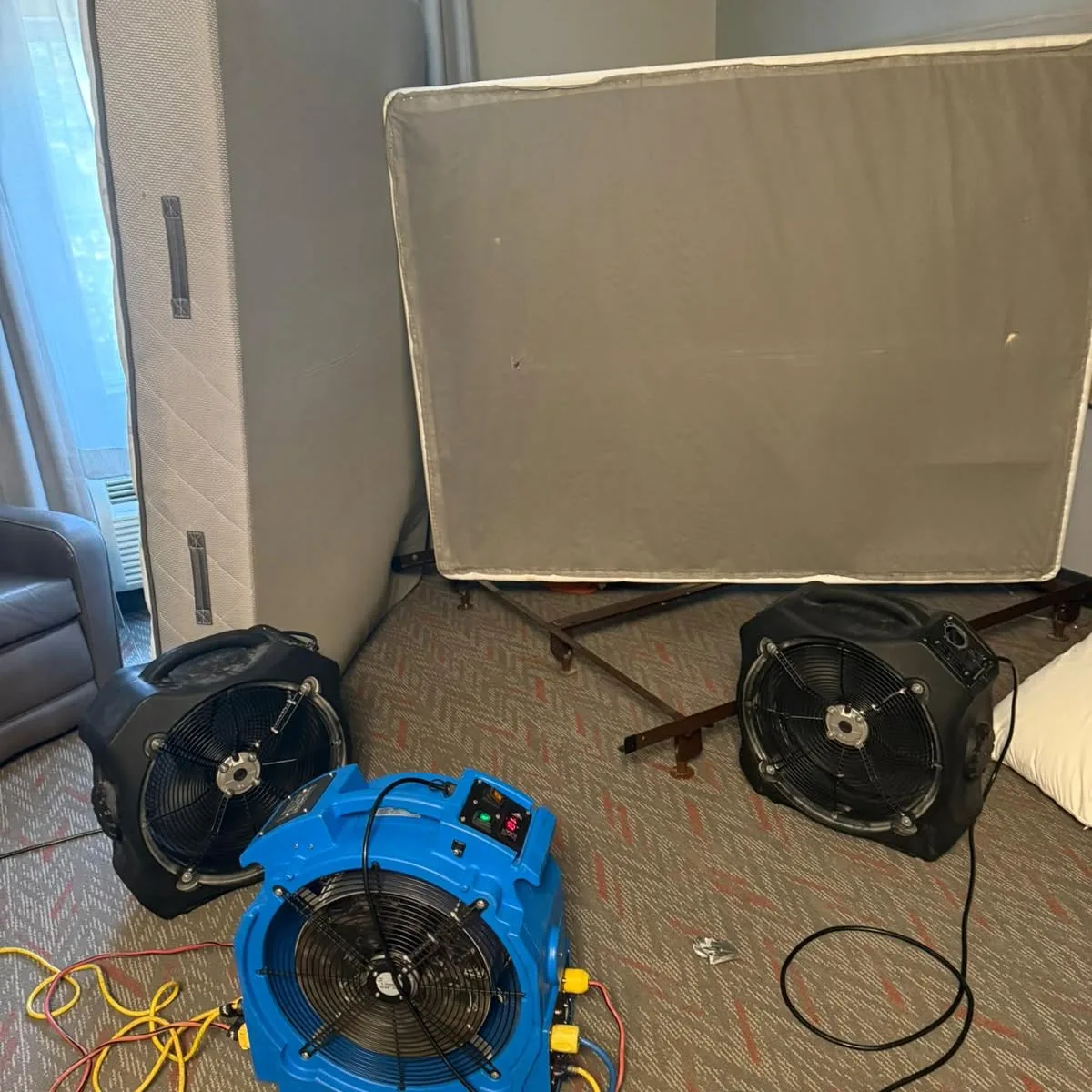
Professional heat treatment uses industrial heaters, high-output fans, sensors and a team that knows how to raise treatment areas to roughly 120 to 140°F and hold that range for 2 to 3 hours. The equipment is not small, and the labor is not light. Some average-size homes need multiple heating units plus fans in several rooms to keep temperatures moving where they need to go.
That is what you are paying for. Not just heat, but controlled heat.
Proper temperature monitoring is the make-or-break detail
Adult bed bugs and nymphs die around 118°F, but eggs need about 122°F, and hidden spots have to reach those lethal temperatures too, not just the air in the middle of the room. Virginia Cooperative Extension makes this point clearly in its guidance on hard-to-heat locations.
A cheap quote is not a bargain if the provider cannot prove the heat reached the hard spots. Ask where sensors go. Ask how technicians verify temperatures inside furniture, cracks and tucked-away areas. Ask for logs or written documentation after treatment. If a company gets vague here, that is a red flag.
Prep work and extra services that add to the total
The base treatment is only part of the bill. Visual inspections often cost about $65 to $200. Canine inspections usually run $300 to $600. Emergency service can tack on $200 to $500. Follow-up visits may range from about $75 to $225 for lighter service, or roughly $415 to $625 for more involved return visits.
Some jobs also include mattress encasements, furniture handling or support treatments with residual pesticides or dusts. If you want a deeper breakdown of what changes the bill, this guide to quote factors helps make the numbers less blurry.
Heat Treatment vs Other Bed Bug Treatments
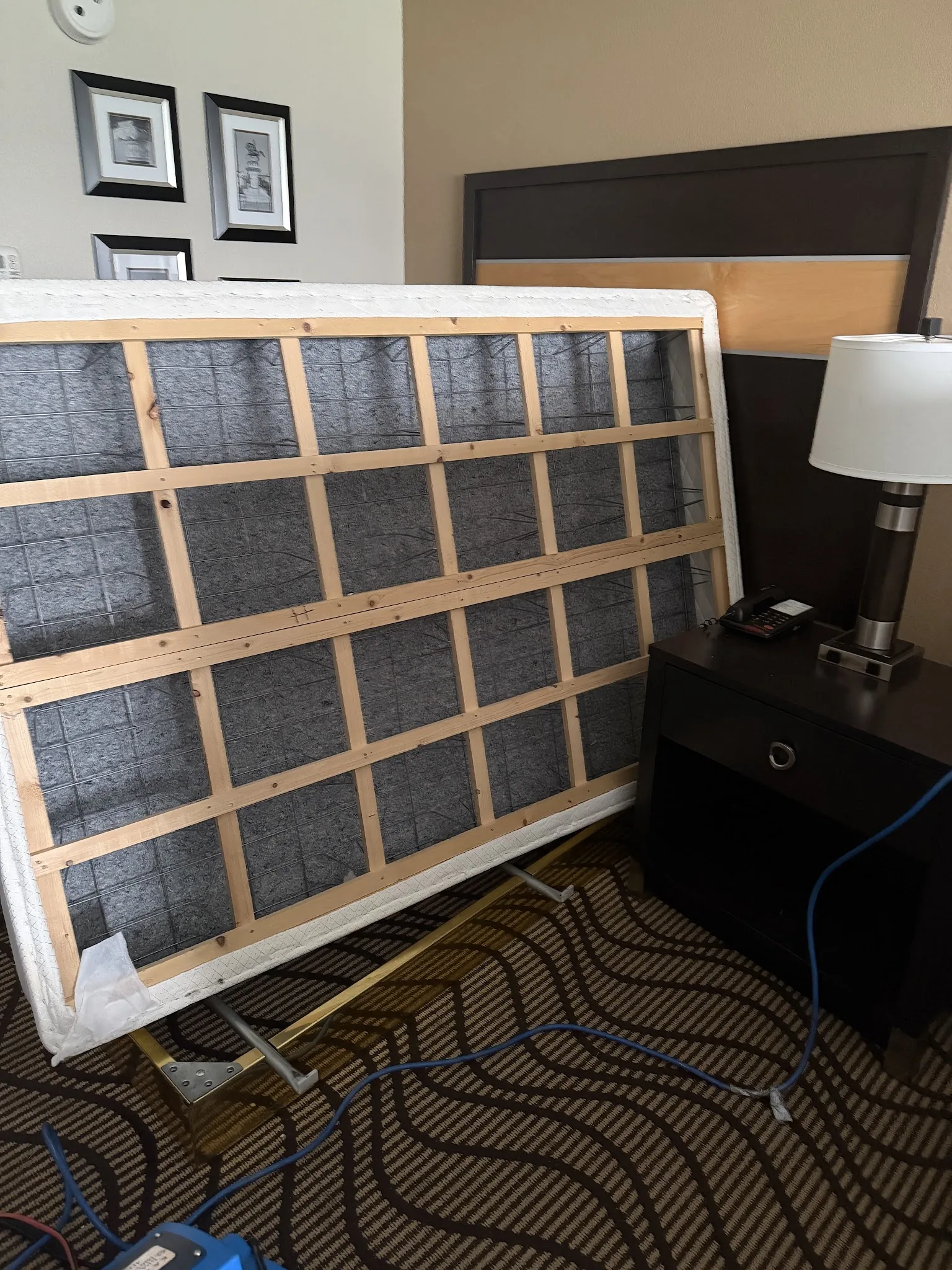
Heat is not automatically the best choice, and it is not automatically overpriced either. It depends on what problem you are trying to solve.
Heat vs chemical treatment
Heat treatment usually runs about $1 to $3 per square foot, while chemical treatment often lands around $2 to $5 per square foot. That surprises people, because chemical service sounds like the cheaper route.
But upfront pricing is only part of the story. Chemical treatment often takes multiple visits. Heat can be faster, often finishing in one day if the job is done well. If speed and fewer appointments matter to you, heat may be worth paying more now.
Heat plus pesticides: when the combo is worth the extra money
Combined treatment usually costs about $2 to $4 per square foot. It is often considered one of the strongest options because heat delivers quick knockdown, while pesticides or dusts can help cover survivors in tougher hiding places.
That extra cost can make sense in cluttered homes, in severe cases or when you want better odds of avoiding retreatment. If you are weighing that tradeoff, this comparison of how the main treatment types stack up is a good next read.
Heat vs fumigation, steam and freezing
Fumigation is usually the most expensive option, around $4 to $8 per square foot, and it fits major whole-structure situations. Steam treatment often runs $2 to $7.50 per square foot and works best for targeted areas like seams, edges and furniture surfaces. Freezing typically costs $3 to $6 per square foot and is more of a spot-treatment tool for certain items or contained spaces.
Heat sits in an interesting middle spot. It is premium, but still often faster and less disruptive than some alternatives.
How to Tell if Heat Treatment Is Worth It for Your Home
This is where cost turns into decision-making. Paying more upfront can save money later, but only in the right setup. For the fuller picture of what heat gets you, what to expect on treatment day, and how to vet a provider, see our guide on whether bed bug heat treatment is worth it.
Best-fit situations for heat treatment
Heat makes the most sense when you want a chemical-free option, want results faster or have an infestation that is still fairly contained. It often fits condos, apartments, hotel-style units and small homes especially well, with some providers noting the sweet spot is treatment areas under about 2,200 square feet.
It can also be a strong choice when chemical exposure is a major concern for your household. For a plain-English overview of what makes professional thermal treatment worth the price, focus on speed, whole-room reach and whether the infestation is still centralized.
When heat may not be the cheapest good option
Very large homes, severe infestations hidden deep in wall voids, heavily cluttered rooms and multi-unit spread can make heat less straightforward. In those cases, your quote may climb or a provider may recommend combining methods.
Heat is powerful, but it is not magic. A complicated infestation can turn a fast one-day plan into a much more involved job.
The hidden cost of going too cheap
DIY and bargain treatment can get expensive fast if bugs survive. Bed bugs can live for a very long time without feeding, which is part of why incomplete treatment comes back to bite you months later.
A low quote that misses eggs or hidden pockets is not saving money. It is postponing the bill.
Questions to Ask Before You Book a Heat Treatment
A good quote should be easy to compare. If it is vague, it is not a good quote.
What exactly is included in the quote?
Ask whether the price covers inspection, prep guidance, same-day treatment, follow-up visits, chemical backup treatment and any warranty or retreatment policy. Some quotes look lower simply because they leave out the parts you are most likely to need.
How will hidden areas be monitored?
Ask where sensors will be placed and how lethal temperatures will be verified inside cracks, furniture and other hard spots. You want more than “the room gets hot enough.” You want proof that the hiding spots do.
What do you need to do before treatment day?
Prep affects success more than most people realize. You may need to remove heat-sensitive items like candles, cosmetics, medications, vinyl records or certain electronics. You may also need to reduce clutter and handle laundry exactly as instructed.
This is where details matter. On the night before treatment, something as ordinary as checking the hallway closet for stored candles, old makeup bags or aerosol cans can save you a headache. For a fuller walkthrough, use this step-by-step prep guide.
What You Get for the Cost of Heat Treatment
When you weigh heat treatment for bed bugs cost, it helps to look beyond the invoice and consider what you are buying.
Whole room or whole structure coverage
Instead of targeting only visible bugs or spraying specific cracks, heat treatment turns rooms into a hostile environment for bed bugs everywhere. The heat penetrates mattresses, furniture, baseboards and often crevices that are hard to reach with liquid products. That comprehensive reach is a big part of its appeal (This Old House).
Egg kill and reduced reinfestation risk
Bed bug eggs are notoriously resistant to many chemicals. Heat disrupts this advantage by killing eggs along with adults and nymphs, something that significantly lowers the chance of missing a hidden pocket of eggs that might later hatch (Oreate AI Blog).
While no method is guaranteed to be 100 percent effective on its own in every situation, a correctly performed heat treatment can be a powerful reset that makes follow up monitoring and spot treatments much easier and less expensive.
Faster return to normal use
From a practical standpoint, speed matters. Many professional heat treatments are completed in a single day, and some providers report that rooms can be ready for normal use again within 24 hours. This quick turnaround is especially important for:
- Hotels and rentals that lose income if rooms sit empty
- Offices or commercial spaces that cannot be closed for long
- Families who want life back to normal as soon as possible
Chemical free and eco friendly approach
If you prefer to limit pesticides in your home or business, heat has a clear advantage. Heat treatment is often described as a gold standard because it is chemical free, eco-friendly and yet lethal to bed bugs at all life stages.
That is reassuring if you have children, pets or health concerns that make chemical exposure worrisome.
Protection of your belongings
Replacing furniture, mattresses and soft goods can be very expensive. Thorough heat treatment may save many of those items, which can make the upfront cost easier to justify. Some experts point out that the cost of discarding and replacing infested belongings can quickly exceed the cost of a professional heat job, especially if the infestation spreads to multiple rooms (Oreate AI Blog).
You might worry about electronics during a high heat treatment too. Properly conducted treatments that follow standard prep, such as unplugging devices, should not damage consumer electronics. In fact, you are often told to leave them in place because bed bugs can hide inside them (This Old House).
When you factor in saved furniture, reduced downtime and confidence, the true cost of a well-done heat treatment is often lower than it first appears on paper.
How to Keep Your Total Cost From Climbing
You cannot make bed bugs cheap, but you can avoid paying more than necessary.
Get quotes early and compare scope, not just price
Get at least two or three quotes, and compare what each one includes. The lowest number only matters if the treatment plan is solid, the monitoring is real and follow-up terms are clear.
Catch the problem before it spreads room to room
Acting fast is one of the few reliable ways to control cost. A contained bedroom problem is easier and cheaper to treat than a whole-home problem.
If you are still deciding how long is too long to wait, read up on when professional help stops being optional. Delay is expensive here.
Try one thing this week: ask for a written treatment plan
Before booking anything, ask every company for a written plan that shows the treatment area, temperature monitoring approach, follow-up terms and full costs. That one step cuts through sales talk fast and makes the quotes easier to compare.
Frequently Asked Questions
Is heat treatment always more expensive than chemical treatment?
Not always in the long run. Heat can cost more upfront, but it is often faster and may reduce the number of visits. A cheaper chemical plan can end up costing more if retreatment drags on.
Can one heat treatment get rid of bed bugs completely?
Yes, sometimes. But success depends on whether lethal temperatures reach every hiding spot, including eggs in cracks, furniture and tucked-away areas. Poor monitoring is one of the main reasons treatments fail.
Do you have to leave the house during heat treatment?
Usually, yes. Many services require you to be out for most of the day because the home is heated to high temperatures and technicians need full access to work safely.
Why did one company quote by room and another by square foot?
Different companies price differently, but square footage usually gives a clearer picture for heat treatment. Per-room pricing can hide the fact that bugs often spread beyond the room where you first noticed them.
Does clutter really raise the price that much?
Yes. Clutter creates cool pockets and extra hiding spots, which means more setup, more monitoring and sometimes longer treatment times. That adds labor, and labor drives cost.
Are follow-up visits included in the price?
Sometimes, but not always. Ask directly. Some companies include a recheck or limited warranty, while others charge separately for every follow-up visit.