
Finding a suspicious dot along your mattress seam at 10:30 p.m. can make your whole house feel different. Bed bug inspection cost is usually the least painful part of this problem, and getting a real answer fast is often much cheaper than guessing wrong for a week.
What a Bed Bug Inspection Usually Costs
A professional bed bug inspection usually costs about $75 to $200 for an initial visit. If follow-up checks are needed, those often run about $75 to $225. That’s the quick answer.
Inspection is the cheap part. Missing the problem, treating the wrong pest or waiting until bugs spread into more rooms is what gets expensive.
Typical price range for a standard inspection
For a standard visual inspection in a house, condo or apartment, most pricing falls into that $75 to $200 range. A visual inspection means a trained pest professional physically checks the places bed bugs like to hide, then looks for evidence that confirms whether you’re dealing with bed bugs or something else.
In a smaller space, such as a studio or one-bedroom apartment, cost usually stays near the lower end because there’s less ground to cover. In a larger home with multiple bedrooms, an inspector needs more time and more detailed searching, so the price naturally climbs.
Some companies also structure this as a flat home visit fee, while others base it loosely on room count, square footage or how many sleeping areas need inspection. That difference matters, because a “cheap” quote for one bedroom is not the same as a quote for your full home.
When the price goes above the basic range
Some situations push the cost above the normal range pretty quickly. Large homes are an obvious one. So are homes with multiple guest rooms, finished basements, lots of upholstered furniture or signs that the issue may have spread beyond the bed.
Urgent service can raise the price too. Same-day, evening, weekend or rush scheduling often comes with a premium, especially when demand is high. Clutter can also affect price because more hiding spots mean more time spent checking seams, cracks, piles, furniture edges and nearby rooms.
If the suspected infestation is in a shared-wall setting, such as a condo or apartment, the scope can widen. The EPA notes that neighboring units may need inspection once bed bugs are confirmed in an apartment, which can change both the practical scope and the cost of the visit.
What You’re Paying For
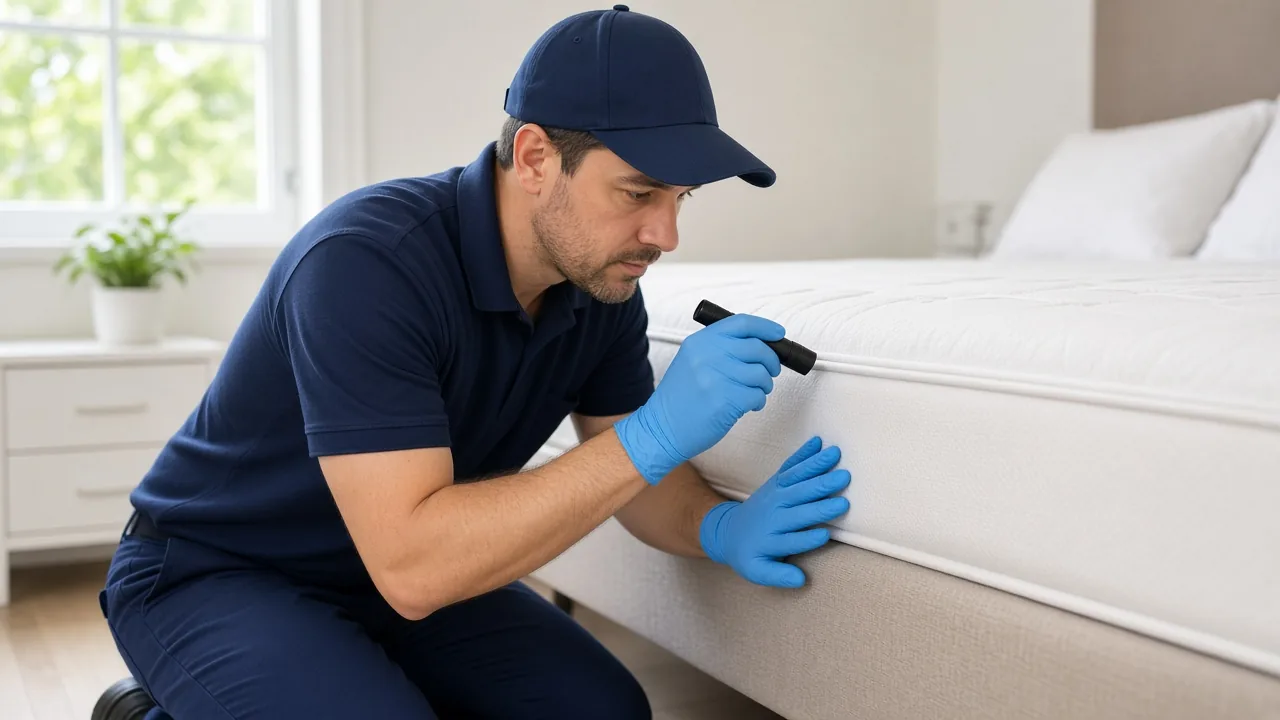
A bed bug inspection fee can feel vague until you know what happens during the appointment. You are paying for time, pattern recognition and a methodical search in the places most people miss.
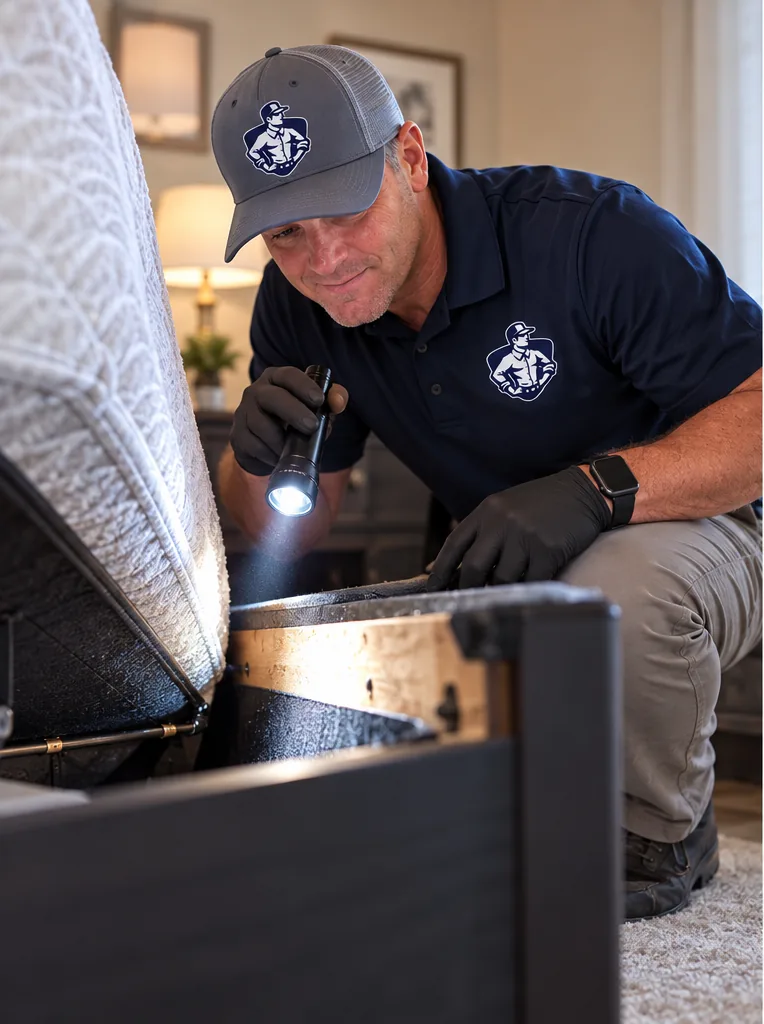
A proper inspection goes well beyond glancing at a mattress. It usually includes checks around mattress seams, box springs, bed frames, headboards, baseboards, couch cushions, furniture joints, cracks in wood, edges of carpeting, electrical outlets and gaps near walls. Bed bugs hide close to where you sleep, but not always on the bed itself. That’s why a real inspection looks more like careful detective work than a quick walk-through.
If you want a clearer sense of what visible clues matter before the visit, it helps to review the common evidence people miss so you don’t overlook something obvious in the wrong place.
Signs the inspector is looking for
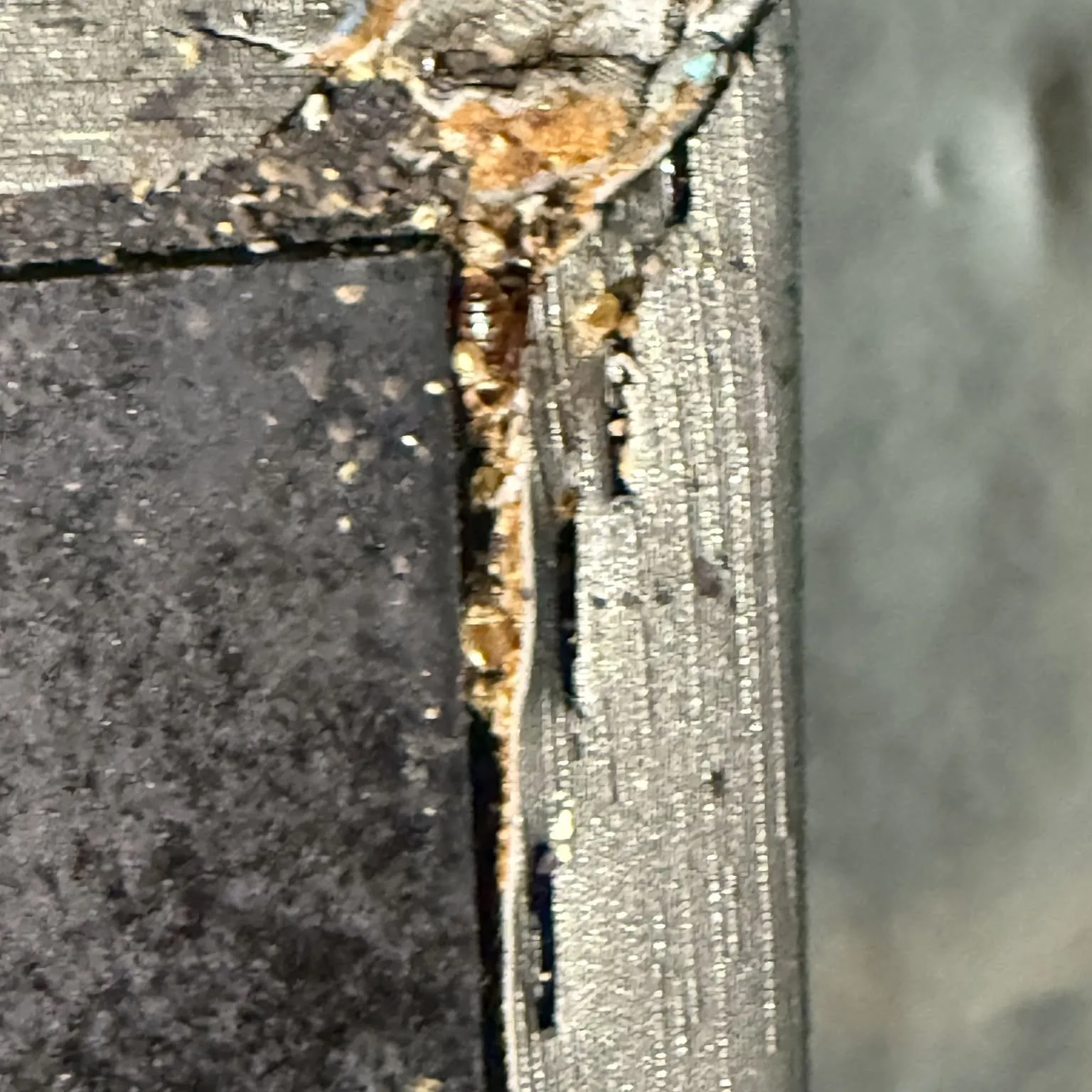
An inspector is usually looking for a mix of direct and indirect evidence. Direct evidence means live bed bugs. Indirect evidence includes shed skins, tiny white eggs, eggshells, fecal spotting that looks like dark peppery dots or ink marks, and rusty stains on sheets or mattress edges.
Bites may come up in the conversation, but bites alone do not confirm bed bugs. Skin reactions vary a lot, and mosquito bites, flea bites, allergic reactions and irritation from other causes can all look similar. If you’re stuck in that gray area, figuring out what those marks resemble can help you avoid jumping to the wrong conclusion before inspection day.
What happens after the inspection
Most inspections end in one of three ways. Bed bugs are confirmed. No clear evidence is found. Or the signs point more strongly to another pest or another explanation.
A good company should explain what was found, where it was found and what that means for next steps. In some cases, you’ll get a written report, photos or a treatment recommendation. In other cases, especially if evidence is weak, you may be told to monitor the area, use interceptors or schedule a follow-up inspection later.
That report matters more than it sounds. If you live in an apartment or rental, documentation can help when dealing with a landlord or property manager. It also helps you compare treatment quotes based on confirmed facts rather than panic.
Why Inspection Cost Is Small Compared With Treatment Cost
This is the biggest point in the whole guide: the inspection is not the part that blows up your budget. Treatment is.
Professional bed bug treatment commonly lands in the $1,000 to $4,000 range, with many jobs landing around ,500 to ,000. In other words, paying under $200 to confirm the problem before committing to a multi-thousand-dollar treatment is usually money well spent.
Bed bugs are expensive partly because they are hard to eliminate. They hide in cracks as thin as 1 mm, stay active at night and can survive long stretches without feeding. That makes “wait and see” a risky strategy, especially when signs are already showing up around a bed or couch.
Typical treatment cost if bed bugs are found
Treatment costs vary a lot by size and spread. A one-bedroom issue may cost roughly $300 to $650. Two bedrooms may run $700 to $1,000. Three bedrooms can reach $1,050 to $1,450. Whole-home treatment often falls between $1,500 and $6,200, depending on severity, method and number of visits.
Another way companies price the job is per room or per square foot. Typical benchmarks include $200 to $400 per room or about $4 to $7.50 per square foot.
The method changes the total too. Heat, steam, chemical treatment, freezing and fumigation all come with different price structures. But for your buying decision, the exact method matters less at this stage than understanding one thing: if the bugs have spread, the bill usually spreads with them.
Why waiting usually costs more
Bed bugs do not stay politely in one visible spot. Under good conditions, populations can double every 13 days. Even worse, early infestations are easy to miss because bugs squeeze into tiny gaps behind trim, inside bed frames, under furniture and near outlets.
The catch is that a delay often turns a smaller, more contained bedroom problem into a larger home problem. One week of uncertainty can become several rooms, more prep work, more follow-up visits and more stress. The EPA also notes that treatment can take weeks to months depending on infestation size, clutter, nearby infestations and cooperation inside the home.
So yes, paying for inspection can feel annoying. Paying for avoidable spread feels worse.
What Changes the Price of a Bed Bug Inspection
If you want to predict your bill before booking, a few factors do most of the work. This section is your mental checklist.
Size of your home and number of rooms
More rooms mean more inspection time. A studio or one-bedroom apartment may only require one main sleeping area, a sofa and a few nearby furniture pieces to be checked. A three-bedroom house with a guest room, nursery and finished basement is a different job entirely.
This is why asking whether the fee covers one room or the entire property matters so much. Without that answer, a low quote does not tell you much.
Severity of the suspected problem
If you already have visible bugs, dark stains, shed skins or signs on multiple furniture pieces, the inspection may take longer because the goal shifts from simple confirmation to mapping how far the problem has spread.
Previous DIY attempts can make this trickier too. Sprays and foggers may scatter bugs into less obvious places. A room that has been repeatedly treated without confirmation often takes more work to interpret than a room left relatively undisturbed.
Inspection method used
Most inspections start with a visual inspection because it is the most common and usually the most affordable. But some companies offer canine detection, monitors or more specialized follow-up methods.
A canine inspection usually costs more, but it can be useful when evidence is hard to find or the search area is large. Some reports put routine K9 inspections at roughly $50 to $350 per unit, though local pricing for a residential visit can vary quite a bit. Well-trained detection dogs can find live bed bugs that a visual search misses, which helps explain the extra cost.
Your location and timing
Local labor rates matter. So does local demand. A quote in a major metro area is often higher than one in a smaller market, even for a similar home.
Timing matters too. If you want someone out tonight, on a Saturday morning or first thing on a holiday weekend, expect a premium. Fast service can still be worth it, especially if the alternative is spending several more nights moving between rooms and making the problem harder to trace.
Visual Inspections vs. Canine Inspections vs. Free Inspections
This is where a lot of people get stuck, because all three options sound good in different ways. The best choice depends on what you’ve seen and how much area needs to be checked.
Visual inspection
A visual inspection is the standard starting point and usually the most affordable option. If you’ve already noticed suspicious signs near a bed, mattress seam, headboard, couch or upholstered chair, this is often enough to confirm the problem.
It works especially well when the issue seems localized and there is visible evidence to follow. If you’re still in the early “do I have them?” stage, looking over the usual warning signs can help you decide whether a standard inspection is the right first move.
Canine bed bug inspection
Canine inspection uses trained dogs to detect the scent of live bed bugs. This can make sense in larger homes, apartment buildings and situations where bites keep happening but visible evidence is scarce.
The reason pricing runs higher is simple: you’re paying for a specialized detection method that can cover more area faster. It can be a smart move when a standard visual inspection might miss a low-level infestation tucked behind walls, inside furniture or in several units at once.
“Free inspection” offers and the catch
“Free inspection” is not always fake, but it is not always free in the way people assume. Sometimes the fee is waived only if you move forward with treatment. Sometimes the inspection cost is rolled into a larger package. Sometimes what’s free is really a quote visit, not a full diagnostic inspection.
That doesn’t make the offer bad. It just means you should ask exactly what is included. A free estimate is not the same thing as a room-by-room bed bug inspection with documentation. If you’re comparing providers, the difference matters more than the word free.
If you want a local example of how companies frame inspection and treatment together, this bed bug treatment page shows how some providers discuss fast estimates, inspections and next steps in one flow.
When Paying for an Inspection Makes Sense
If you’re already worried enough to search the cost, there’s usually a practical reason to pay for an inspection. Not every itch calls for a pro visit, but some situations clearly do.
You’ve seen bugs, stains or shed skins
Visible evidence is the strongest reason to book quickly. Once you’ve seen suspicious spotting, shells or actual bugs near sleeping areas, the goal is to confirm what you’re dealing with and stop wasting time.
That confirmation also keeps you from treating the wrong pest. A lot of expensive mistakes start with certainty that turns out to be wrong.
You keep waking up with bites but can’t find the source
This is exactly where inspection earns its keep. Bites alone are a terrible basis for spending thousands on treatment. Fleas, mosquitoes, skin irritation and even fabric or detergent issues can muddy the picture.
If you’re in the “bites but no bugs” phase, a professional look can save you from buying sprays, traps, encasements and random internet fixes for a problem that may not be bed bugs at all. It also helps to compare hidden-source bite scenarios before assuming the worst.
You live in an apartment, condo or rental
Shared-wall housing raises the stakes because bed bugs can move between units. If there’s a real infestation, early documentation matters. So does speed.
An inspection can help establish where signs were found and whether the issue seems confined to your unit. That can be useful in conversations with landlords, property managers or building staff, especially if adjacent spaces may need attention too.
How to Get an Accurate Quote Before You Book
A good quote should make the visit easier to understand, not more confusing. The trick is to ask a few direct questions before you schedule.
Questions to ask before scheduling
Ask whether the price covers one room or the whole home. Ask whether a written report is included. Ask whether follow-up inspections cost extra. Ask whether the inspection fee is credited toward treatment if bed bugs are confirmed.
Also ask what kind of inspection you’re booking. Is it a full visual inspection, a quick estimate visit or a canine inspection? Those are not interchangeable services, even if the prices sound close.
Finally, ask how long the inspection usually takes in a home your size. A company that cannot explain scope in plain English is already making comparison harder than it needs to be.
Red flags in pricing
Be careful with vague flat rates that do not explain what is included. Be careful with pressure to approve treatment before the inspection happens. And be careful with suspiciously cheap quotes that skip over documentation, room count or whether nearby furniture gets checked.
A low number is only useful if you know what it buys. If it does not include the rooms you worry about, it is not really cheaper.
Common Mistakes That Make Bed Bug Costs Worse
Stress makes expensive mistakes feel reasonable. That’s normal. But a few common reactions tend to make this problem harder and pricier.
Assuming every bite means bed bugs
Self-diagnosing from bites alone sends a lot of people down the wrong path. Many people try DIY methods before calling a professional. That means a lot of money gets spent before anyone confirms what’s in the room.
The problem is simple: bed bug bites do not have a monopoly on itching. If you start buying products based on skin marks alone, you can spend a few hundred dollars and still have no answer.
Throwing furniture out too early
Dragging a mattress or couch to the curb feels decisive, but it is often premature. Without confirmation, you may replace expensive furniture you didn’t need to replace.
Worse, moving infested items through hallways or other rooms can spread bugs along the way. It’s like trying to solve a leak by carrying the wet carpet through the whole house.
Trying random DIY fixes before confirming the problem
Foggers, over-the-counter sprays, alcohol, essential oils and internet home remedies are famous for making people feel busy. That is not the same as being effective.
Some DIY products can scatter bugs deeper into cracks and furniture. Others wipe away visible evidence right before an inspection, which makes diagnosis harder. If you want to do your own checking first, stick to a careful inspection process that avoids spreading the problem.
What You Can Do Before the Inspector Arrives
A little prep helps. Too much “cleaning up the evidence” does not.
Simple prep steps that help
Make the bed accessible. Clear clutter around sleeping areas, especially near bed legs, nightstands, baseboards and upholstered furniture. Gather any photos you took of stains, bugs or bites, plus notes about where and when you noticed them.
If certain rooms or pieces of furniture seem more suspicious, mention that when the appointment starts. A focused timeline can save inspection time and improve accuracy.
What not to do first
Do not move mattresses, couches or piles of bedding through the house unless you’ve been told to. Do not vacuum away every trace right before the visit. And do not spray pesticides, alcohol or home remedies just because the appointment is tomorrow.
Those steps can remove clues, push bugs into new hiding spots, or make a localized problem harder to track.
Bed Bug Inspection Cost by Situation
The smartest inspection choice depends on what kind of problem you’re facing.
Best choice if you just found suspicious signs in one bedroom
Start with a standard visual inspection. If the issue seems limited to one room and you have visible clues near the bed, this is usually the most cost-effective first move.
You get confirmation without paying for a more advanced service you may not need. In a lot of cases, that simple step is enough to tell you whether you’re looking at bed bugs, old stains or something else entirely.
Best choice if you’ve had bites for weeks and still can’t confirm anything
Pay for a thorough professional inspection, even if it costs a bit more than the cheapest quote. This is the situation where a detailed search can save real money by preventing blind treatment.
When the signs are vague, cheap guesses get expensive fast. A more careful inspection is often the better bargain.
Best choice if you’re in a larger home or shared building
A broader inspection makes more sense when the search area is bigger or spread is easier to miss. In some cases, especially across multiple units or many rooms, canine inspection is worth considering because it can cover more ground efficiently.
That higher upfront price can still be the cheaper move if it helps catch low-level spread before the treatment scope balloons.
The smartest next step if you think bed bugs are already in your home
If bed bugs are already on your radar, paying for a solid inspection is usually the smartest money you’ll spend on the whole problem. The inspection fee is modest, the answer is clearer and the odds of wasting money on the wrong fix drop fast.
Try one thing next: call for a quote and ask exactly what the inspection fee includes, how many rooms it covers, and whether it gets credited toward treatment.
What an Inspection Costs With Us
For homes in Richmond and Central Virginia, call (804) 346-5667 for a current inspection quote. If we find bed bugs, the inspection results shape your treatment plan and price, which follows our published per-square-foot rates.
Frequently Asked Questions
How much does a bed bug inspection cost without treatment?
Usually about $75 to $200 for an initial inspection, with some follow-up visits running $75 to $225. Exact pricing depends on home size, number of rooms, urgency and inspection type.
Are free bed bug inspections really free?
Sometimes, but not always in the way you expect. Some companies offer a true no-charge inspection or estimate, while others waive the fee only if you buy treatment. Always ask what the visit includes.
Is a canine bed bug inspection worth the extra cost?
It can be, especially in larger homes, apartment buildings or low-level infestations where visible evidence is hard to find. For a small bedroom with obvious signs, a standard visual inspection is often enough.
Can you skip inspection and go straight to treatment?
You can, but it’s usually a bad bet unless bed bugs are already clearly confirmed. Treatment is much more expensive than inspection, so paying to verify the problem first often saves money.
Does an inspection include a written report?
Sometimes yes, sometimes no. Many companies provide notes, photos or a written summary, but not all do. Ask before booking if you need documentation for a landlord, property manager or treatment comparison.
Will insurance cover bed bug inspection cost?
Usually no. Bed bug inspection and treatment are commonly treated as maintenance or pest-control issues rather than sudden covered losses, though policy details vary. It’s worth checking your specific plan if cost is a concern.