
Bed bug bites no bugs found is one of the most stressful home problems because it sends you straight into detective mode. You wake up itchy, strip the bed, stare at the sheets and still come up empty. Bites are a clue, not proof and the smartest next step is to look for evidence that confirms what is going on.
Bed bug bites but no bugs found: what this usually means
If you have itchy marks but cannot find a single bug, that does not automatically mean you have bed bugs. It also does not automatically clear them. Bed bugs are excellent at staying hidden, especially when only a few are present, but skin reactions are also easy to misread.
That is why this situation is so common. In fact, 90% of pest pros say they get called for suspected bed bugs that turn out to be something else. Fleas, carpet beetle hairs, mosquitoes, hives and irritated skin all end up in the same mental bucket once you start waking up scratching.
Not seeing bugs can still fit a real bed bug problem. Bed bugs hide in tight seams and cracks during the day, and some people do not react right away. But bites alone are not a reliable ID tool. Treat them like smoke, not the fire itself.
Start with the signs that confirm bed bugs
The fastest way to calm the spiral is to stop judging the problem by your skin and start judging it by physical evidence. If you want a deeper rundown of what real bed bug evidence looks like, focus on the signs left behind where bed bugs hide and feed.
Live bugs, shed skins, eggs and dark spotting
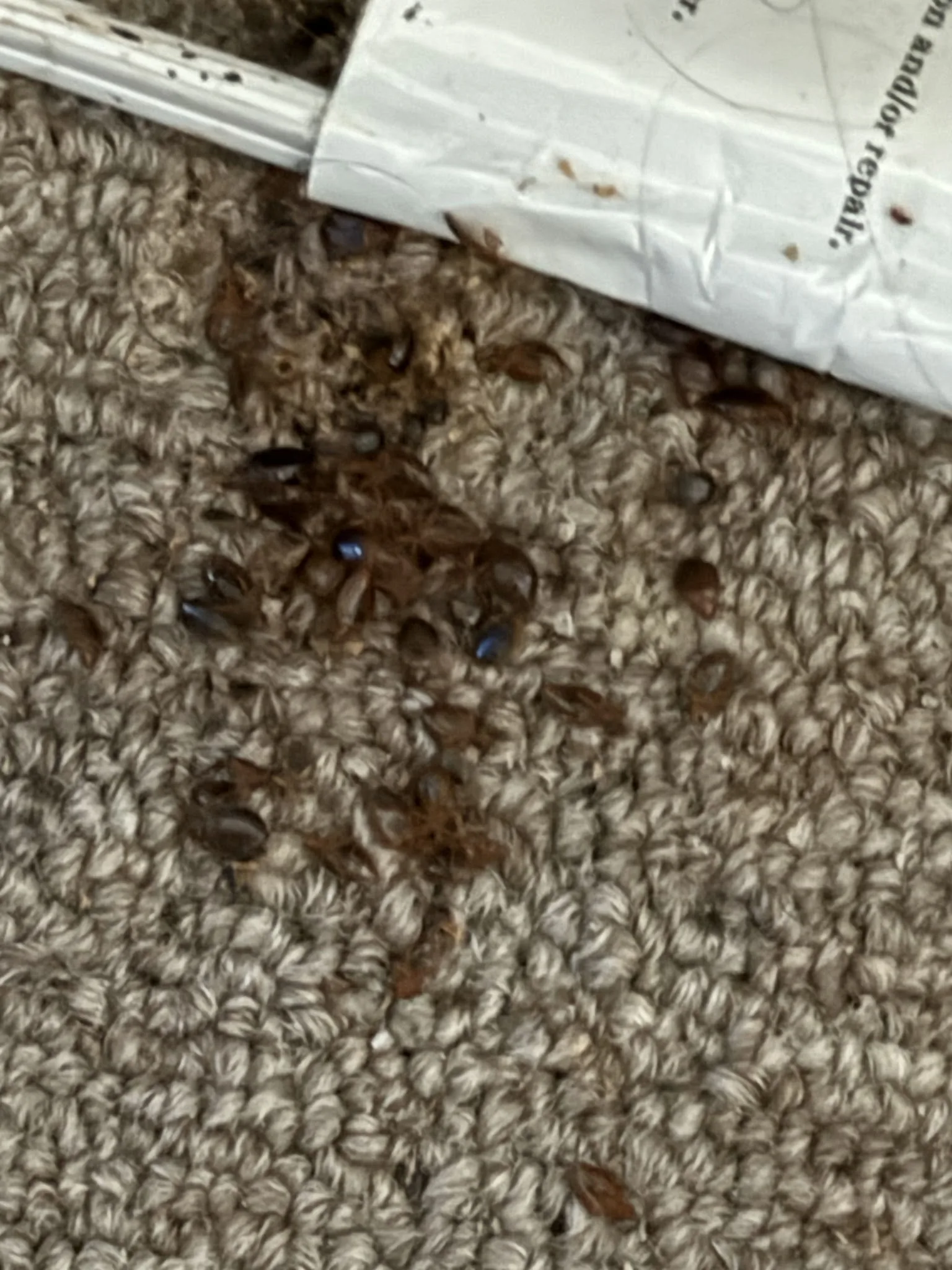
Adult bed bugs are small, flat and reddish-brown, about the size of an apple seed. Younger ones are smaller and paler, which makes them easier to miss. After feeding, adults can look darker and a bit more swollen.
You may also find shed skins, which look like pale, empty bug shells. Eggs are tiny, white and sticky, almost like little grains tucked into seams. Dark spotting matters too. Bed bug droppings often look like tiny black ink dots, and on sheets you may notice rusty smears from crushed bugs or old blood.
Those signs count more than a bite mark. A rash can come from a dozen causes. A cluster of shed skins in a mattress seam is a very different story.
The places worth checking first
Start where your body stays still for hours. Check mattress seams, especially near the piping and top corners. Then move to the box spring edges, bed frame joints, headboard cracks and the area where the bed meets the wall. After that, check baseboards, nearby nightstands, upholstered chairs, couches and behind wall hangings close to the bed.
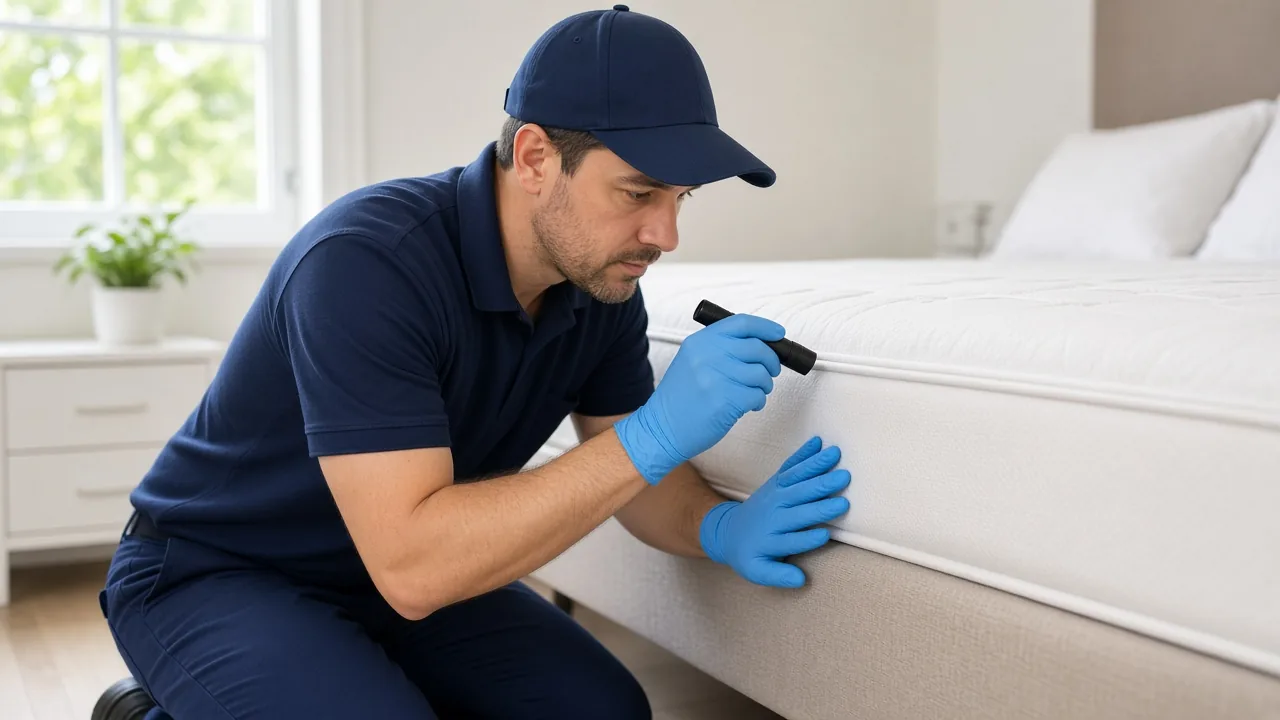
One concrete moment matters here: check the seam near the top corner of the mattress at about 6 a.m. with a flashlight. If bed bugs fed during the night and have not fully settled into deeper hiding spots yet, that seam is one of the better places to catch a clue.
Use a slow scan, not a frantic one. Bed bugs hide like glitter in a carpet, easy to miss when you rush, obvious once you know where light needs to hit.
Why you can have bed bugs and still not see them
Not seeing bugs does not rule bed bugs out. That needs to be said plainly.
Small infestations are the big reason. A few bed bugs can stay tucked into cracks you would never notice on a casual check. Daytime hiding also matters. Bed bugs usually come out at night, feed quickly, then retreat into narrow spaces in wood, fabric or behind trim. Some people react to bites right away, while others develop marks a day or two later, and some people show delayed reactions or almost none at all.
The catch is that a home can have visible bites and almost no visible bugs, or visible bugs and one person with no bites at all. That mismatch is part of why bed bugs cause so much confusion.
How to inspect your room without making the problem worse
A smart inspection is controlled and boring. That is a good thing. You are trying to confirm a pattern, not tear the room apart and accidentally spread anything to the hallway, sofa or guest room.
If you want a more detailed walkthrough on checking carefully without spreading pests, keep your search contained to the room where you sleep first.
A quick inspection checklist
Start with the sheets and pillowcases. Look for tiny black dots, rusty smears or small pale skins. Then remove bedding carefully and inspect mattress seams, tufts and labels with a flashlight. Run a card or thin object along narrow seams to expose anything tucked inside.
Next, check the box spring, especially the underside edges and stapled fabric areas. After that, inspect bed frame joints, screw holes, slats and headboard cracks. Move outward to the nightstand, lamp base, upholstered furniture and floor edges near the bed. The order matters because bed bugs usually stay close to where you sleep before spreading farther out.
What not to do during the search
Do not drag blankets through the house. Do not toss furniture to the curb after one itchy morning. Do not start spraying random store-bought pesticides into every crack you can find. And do not move to another bedroom before you know what is happening.
DIY sprays often make a suspected infestation harder to track because they can scatter bugs into new hiding spots. Bug bombs are even worse. The CDC documented 111 poisoning cases linked to pesticide misuse during bed bug control, which is a good reminder that panic-spraying creates a second problem fast.
If you want extra proof, try passive monitors
Interceptor cups under bed legs are one of the best low-stress tools you can use. Bed bugs climb in and get trapped, which gives you proof without tearing up the room. Passive monitors can also help when your visual search keeps turning up nothing. Research has found that interceptor devices can catch far more bed bugs than visual inspection alone.
Bed bug dogs exist too, but they are not perfect. A dog inspection makes more sense when a pest professional is already involved and you need help confirming a hard-to-find problem.
If it is not bed bugs, what else could be biting you?
A lot, honestly. Suspected bed bug cases often turn out to be something else, which is why pattern matters. Where the marks show up, when you notice them, whether pets are involved and whether anyone else in the home is affected can all point you in a different direction.
Fleas
Fleas often bite around the ankles and lower legs, though bites can show up elsewhere too. If you have pets, that is a strong clue. Check pet bedding, carpets and spots where your cat or dog naps during the day. Fleas tend to stay low, so the floor area matters more here than the mattress seam.
Mosquitoes, no-see-ums and other tiny flying biters
Open windows, evening patio time and damp outdoor areas can all matter. Tiny flying biters do not need to live in your bed to leave marks you notice the next morning. If you sleep with a fan off, windows cracked or spend time outside at dusk, it is worth comparing nighttime bite patterns that look similar.
No-see-ums are especially sneaky because the bites can feel far more dramatic than the insect itself.
Mites, lice and scabies
Mites are a broad group, and not all bite humans, but some can irritate skin. Lice usually stay on the scalp or body hair and leave persistent itching in those areas. Scabies is different from both. It is caused by microscopic mites burrowing into skin, and the itch often gets intense at night, with irritation showing up in places like the wrists, finger webs, waistline or groin.
This section sounds alarming, but the goal is simple: location and pattern matter more than guesswork.
Carpet beetles and other false alarms
Carpet beetles do not bite. The problem is that tiny hairs from larvae can irritate skin and feel exactly like a pest bite problem. That is one reason false alarms are so common. Pest pros say carpet beetles are the top mix-up in suspected bed bug cases.
If you find fuzzy shed skins near baseboards, closets or stored fabrics, you may be chasing the wrong culprit.
Skin conditions that can look like bug bites
Skin alone is not a trustworthy detective. If you have been staring at marks on your arm and trying to solve the case from shape alone, stop. Even photos are not enough for a confident call.
Hives and allergic reactions
Hives are raised, itchy welts that can appear fast and disappear just as fast. Unlike bed bug bites, hives may not follow any neat line or cluster. Food, stress, medication, heat and random allergic triggers can all set them off. If marks seem to move around or fade quickly, hives belong on your list.
Contact dermatitis, heat rash and irritated skin
Laundry detergent, fabric softener, sweat, tight waistbands, rough seams and hot weather can all irritate skin. Heat rash often shows up after a sticky night and tends to appear under snug clothing or in areas where skin stays warm and damp. Contact dermatitis usually follows whatever touched the skin, not whatever crawled across it.
If you want a visual breakdown of how skin reactions can vary, compare the pattern with caution, not certainty.
When a doctor should take a look
Get medical help if you have severe swelling, spreading redness, fever, drainage, signs of infection, trouble breathing or a rash that keeps returning with no pest evidence in sight. A doctor visit also makes sense when the itch is ongoing and nothing in your inspection lines up with a real infestation.
That is not overreacting. It is ruling out the wrong lane.
What to do next if you still suspect bed bugs
If suspicion is still hanging around after a careful check, shift into containment mode. The goal is to reduce spread, collect better evidence and avoid expensive mistakes.
Isolate the bed and reduce hiding places
Pull the bed slightly away from the wall. Keep blankets and sheets from touching the floor. Reduce clutter around the bed, especially soft piles like hoodies, extra blankets and laundry baskets. Avoid moving pillows, throws or stuffed items into other rooms.
Bed bugs like easy hiding spots close to a sleeping host. Less clutter means fewer places to disappear.
Wash and dry the right items on high heat
Bag linens, pajamas and recently used sleepwear before carrying them through the house. Then wash and dry them on high heat. The useful part is the dryer heat, not just the wash cycle. After travel, some pest guides suggest high heat for 30 minutes for dryer-safe clothing, and the same idea helps with suspect bedding at home.
Keep cleaned items separate until you know more.
Keep notes for a week or two
Track when marks appear, where on your body you notice them, whether anyone else in the home reacts, and whether you find physical evidence during checks. Include practical clues like recent travel, used furniture, overnight guests or shared apartment walls.
This sounds fussy, but it works. A mystery gets easier once you stop reliving it and start recording it.
When to call a pest professional instead of guessing
Repeated bites with no proof can wear you down fast. Bed bug exposure is tied to stress and sleep problems, and that feels obvious the second your bedtime turns into inspection time. Sometimes the fastest way out is a real inspection, not another late-night internet spiral.
Signs it is time to bring someone in
Call a professional if the bites keep showing up overnight, you recently traveled, brought home used furniture, live in an apartment with shared walls, spotted dark marks on sheets, or already did a careful search and still cannot confirm anything.
A professional also makes sense if you feel stuck between possibilities. If you are wondering what a professional inspection usually costs and includes, that can help you compare the price of certainty against the cost of guessing wrong.
What a good inspection should include
A real inspection goes beyond a quick look at the top of the mattress. It should include mattress seams, box springs, frame joints, headboards, nearby furniture, cracks, baseboards and sometimes nearby rooms if the layout suggests spread. The goal is confirmation, not reassurance after a two-minute glance.
If you need direct treatment or inspection help, professional bed bug service is often the shortest path from suspicion to an answer.
Why caution matters with DIY pesticides
Bug bombs and random sprays can push bed bugs deeper into walls, furniture and nearby rooms. Even worse, misuse can hurt you before it hurts the pest. Bed bugs are hard to eliminate when confirmed, which is exactly why sloppy DIY treatment is such a bad bargain.
Careful inspection beats chemical guesswork every time.
Common questions about bed bug bites with no bugs found
Can bed bugs bite only one person in the home?
Yes. Skin reactions vary a lot. One person can get obvious itchy marks while someone sleeping in the same room shows nothing at all.
How long can bed bug bites take to appear?
Reactions can show up right away, but for some people they appear a couple of days later. That delay makes timing confusing and can make bites look like they came from your home when the exposure happened somewhere else.
Can you have bed bugs in a clean house?
Yes. Bed bugs care about access to blood, not whether your home is tidy. Clean homes, cluttered homes, apartments and hotels can all have bed bugs.
Should you throw out your mattress?
Usually no, not before confirmation. Throwing it out too early creates cost, stress and sometimes spread. It makes more sense to confirm the problem first, then follow a treatment plan.
Need a Second Set of Eyes in Richmond?
When bites continue but nothing turns up, an experienced inspector often finds what a homeowner misses. We inspect homes and apartments across Richmond and the Charlottesville area. Book a bed bug inspection and get a clear answer either way.
Frequently Asked Questions
What if you have bites every morning but still cannot find any bed bugs?
That pattern keeps bed bugs on the list, but it still does not prove them. Do a focused flashlight inspection, check seams and cracks and use interceptor cups under bed legs for a week or two.
Can bed bugs live somewhere other than the mattress?
Yes. Bed bugs often hide in bed frames, headboards, baseboards, nightstands, couches and nearby cracks. A clean mattress does not clear the room.
Are bed bug bites always in a line of three?
No. A line or cluster can happen, but plenty of other bite patterns are possible, and other skin reactions can mimic the same look. Bite shape alone is not enough to confirm anything.
If nobody else in your home has bites, does that rule out bed bugs?
No. Some people react strongly, some react late and some barely react at all. One person showing marks while another shows none is common.
Can bites show up days after travel?
Yes. Delayed skin reactions happen, which means a hotel or other recent sleeping spot may be the source even if you notice the marks after you get home.
The smartest first move tonight
Tonight, skip the panic spray. Do one careful flashlight check of mattress seams, headboard cracks and the nearest furniture, then set monitors if you can. A focused search beats guessing every time, and one calm check is far more useful than turning the whole room upside down.