
Seeing bites at 2 a.m. and stripping the sheets with your phone flashlight is the moment bed bug exterminator cost stops feeling like a random home-maintenance question. It becomes an urgent money question. The short answer is simple: most professional bed bug jobs land around $1,000 to $4,000, with an average near $2,500, though a small single-room problem can be a few hundred dollars and a severe whole-home infestation can climb past $6,000.
What Bed Bug Extermination Usually Costs
If you want the fast number, most home treatments fall between $1,000 and $4,000. That range is wide because bed bugs are not priced like mowing a lawn or cleaning gutters. A quote depends on how far the infestation has spread, how many rooms need attention, what treatment method gets used, and how many return visits are part of the plan.
That said, average pricing near $2,500 is a realistic starting point for many homeowners. A very early, contained case in one bedroom can come in lower. A bad infestation involving multiple bedrooms, couches, closets and repeat visits can get expensive fast. Once the bugs spread beyond the bed itself, the bill usually follows.
This is why bed bug quotes can feel all over the place. One company may be quoting one room and one treatment pass. Another may be quoting an inspection, two treatment visits and follow-up monitoring. On paper, both look like bed bug service. In real life, those are not the same purchase.
What Bed Bug Treatment Costs in Richmond, VA
National averages only go so far. Here is what Richmond Bed Bug Experts charges for homes across Richmond and Central Virginia, so you can compare a real local quote against the ranges above.
Standard pricing per square foot
- Aprehend: $0.75 per sq ft
- Hybrid: $0.85 per sq ft plus $500 for each heated room
- Heat treatment: $2 per sq ft
For a 1,500 square foot house, that works out to about $1,100 for Aprehend and $3,000 for whole-home heat. A hybrid plan with one heated room comes to about $1,775. Your final price depends on what the inspection finds.
Heat vs. Chemical vs. Hybrid Cost Differences
Each method has a different price point and purpose.
Chemical treatment
- lower upfront cost
- effective for smaller or isolated infestations
- may require multiple visits
Heat treatment
- higher upfront cost
- fast, full-room elimination
- typically fewer follow-up visits
Hybrid treatment
- combines both methods
- balances speed and long-term control
- often the most reliable option for established infestations
The right choice depends on what’s found during inspection – not just budget.
Lower-cost treatments often miss part of the infestation.
That leads to:
- repeat treatments
- higher total cost over time
- longer time dealing with the problem
Eliminating bed bugs completely the first time is usually more cost-effective than multiple partial treatments.
Want to spread the cost out? See our bed bug treatment financing options.
Why Bed Bug Quotes Vary So Much
Bed bug pricing changes because the job changes. Some infestations are tucked into one bed frame and a few mattress seams. Others have spread into baseboards, laundry piles, recliners, wall voids and luggage in the hall closet. Severity drives cost more than square footage alone, and that is the part many homeowners miss.
The treatment method matters too. Heat, chemical applications, steam, freezing and fumigation all have different labor demands, equipment needs and success patterns. Add in return visits, furniture handling or treatment of nearby units, and two homes of the same size can end up with very different quotes.
Infestation Size Matters More Than Most People Expect
A few bugs in one bedroom is one kind of problem. An infestation that has reached a guest room, sofa, closets and your kid’s backpack area is another.
Bed bugs are hard to eliminate because they hide well and can survive for months without feeding. Delay gives them time to spread, reproduce and get into places that take much longer to treat. That is why a mild case might stay in the low hundreds or low thousands, while a severe case can jump into the $4,000 to $6,000 range.
You can see this in how exterminators estimate severity. A small, early infestation often means fewer treatment zones, less labor and fewer follow-ups. Once the infestation is established in multiple rooms, every visit becomes longer and more detailed. More lifting. More vacuuming. More crack-and-crevice work. More chances for missed eggs.
If you are still trying to confirm what you are dealing with, start by reviewing signs that show up around the house. Catching the problem early is the cheapest break you are going to get.
Clutter, Furniture and Access Add Labor
Exterminators are not just charging for chemicals or heat. A large part of the cost is labor.
Packed closets, storage under beds, stacks of clothes, heavy dressers and lots of upholstered furniture all make the job slower. Bed bugs love seams, folds, screw holes, baseboards and narrow cracks. If every hiding spot is buried under stuff, treatment takes longer and follow-up gets trickier.
Prep also affects price. Some companies expect you to wash and bag clothing, pull furniture from walls, reduce clutter and make certain areas fully accessible before the crew arrives. If that prep is incomplete, the company may need extra labor time, may reschedule or may charge more. Poor access also raises the odds of missed bugs, which can mean more paid visits later.
Apartments, Duplexes and Shared Walls Can Change the Scope
Single-family homes are one thing. Apartments, duplexes, condos and townhomes can be another story.
In shared-wall housing, the infestation may not stay neatly inside one bedroom. Nearby units, adjoining rooms or common walls may need inspection too. According to the Illinois Department of Public Health, infestations in multi-unit buildings that are not fully addressed can spread between units, making control harder and more expensive.
That does not always mean you will pay to treat half the building. But it does mean the scope can widen fast if the bugs have traveled.
Bed Bug Treatment Cost by Home Size
Many homeowners get tripped up because exterminators do not all price the same way. Some quote by bedroom count. Some quote by room. Some use square footage. Some price the whole treatment program as one number.
None of those formats is automatically wrong. The trick is understanding what the format includes, and what it leaves out.
Typical Cost by Bedroom Count
Bedroom-based pricing is easy to understand, which is why you will see it often. Typical ballpark numbers look like this: one bedroom at $300 to $650, two bedrooms at $700 to $1,000, three bedrooms at $1,050 to $1,450, and whole-home treatment from $1,500 to $6,200.
Those figures are useful for rough budgeting, not for treating as a promise. A one-bedroom quote can rise if the bugs have spread to a living room sofa or nearby storage area. A whole-home quote may sit at the lower end if the infestation is light and easy to access, or at the upper end if it is severe and calls for multiple methods.
The mistake is assuming bedroom count tells the whole story. It does not. A two-bedroom apartment with bugs in both bedrooms, the couch and the hallway closet may cost more than a lightly infested three-bedroom house.
Cost per Room and Cost per Square Foot
Some companies quote around $200 to $400 per room. Others use square footage, often around $4 to $7.50 per square foot. That model can help when the infestation lines up clearly with the physical layout.
But the catch is that room-based or square-foot pricing can hide the real scope of the job. A “treated room” may or may not include nearby furniture, closets, wall voids, outlets or follow-up service. Square footage sounds precise, but bed bugs are not spread evenly like fresh paint.
For that reason, inspection-based pricing is usually better than a generic online calculator. If you want a sense of how local companies frame the service, a page like this treatment overview can show the kind of questions and options you are likely to see before a quote gets finalized.
What You Pay for Each Treatment Method
Treatment method changes your budget in a big way. It also changes what kind of results you can expect, how fast the process moves, and how much prep matters.
No single method is automatically the best in every situation. Bed bug control often works best as an integrated plan, meaning more than one method gets used together.
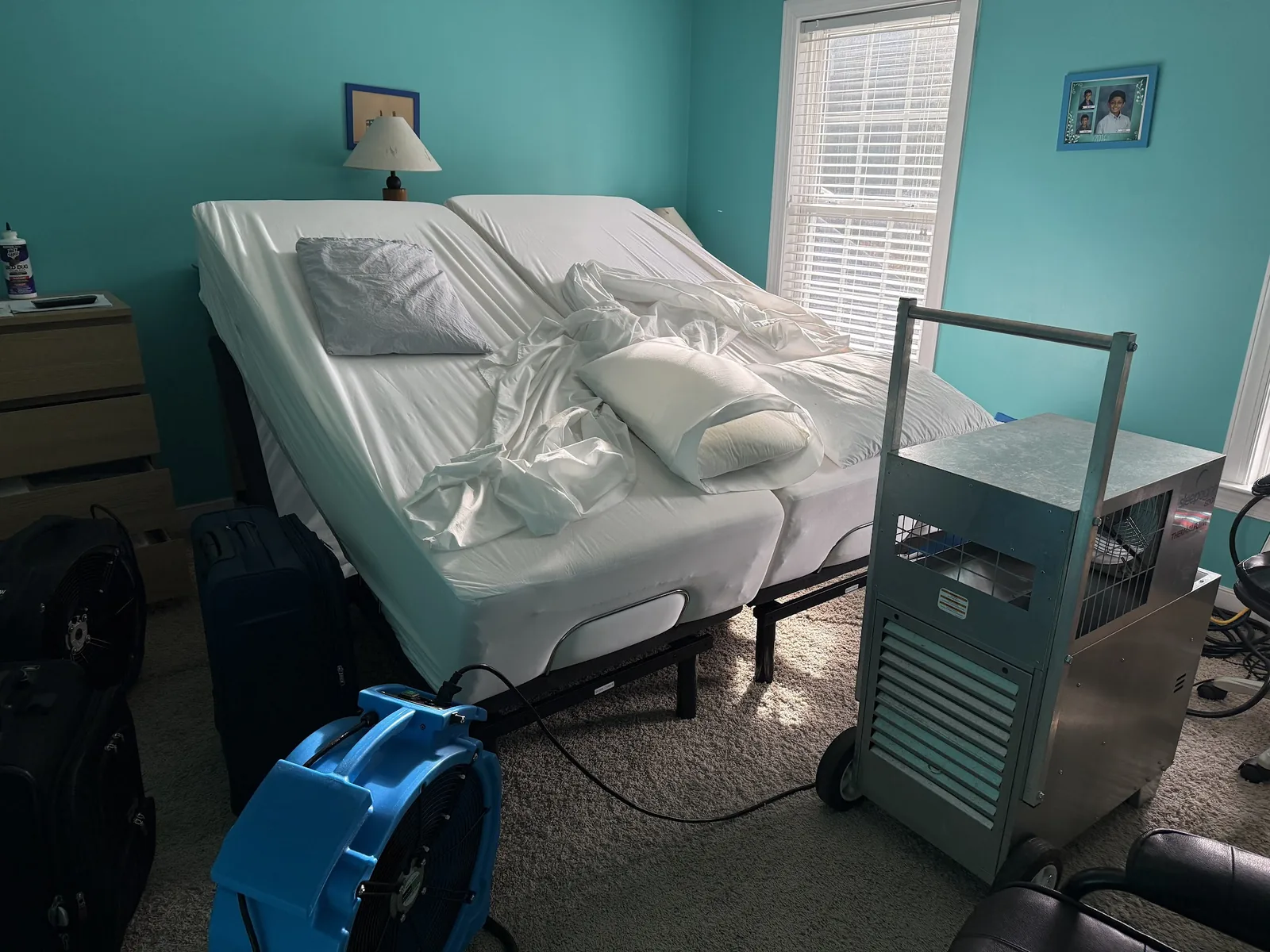
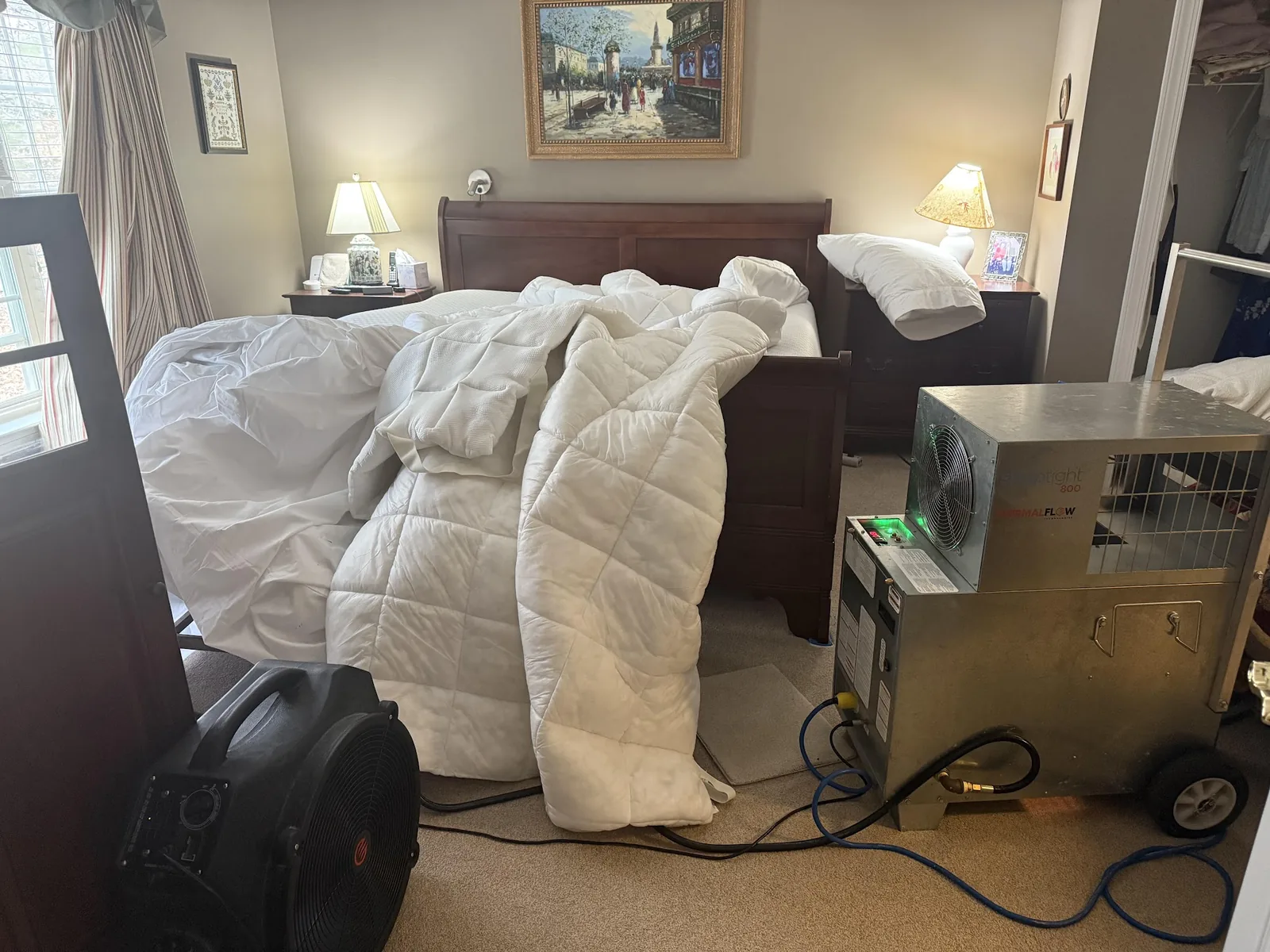
Heat Treatment
Heat treatment usually runs about $1 to $3 per square foot. It is popular because it can treat an entire area at once, including many hiding places you cannot easily spray or reach by hand.
The appeal is obvious. Heat can work fast, and it does not rely on residual chemicals sitting around afterward. Rooms are heated to lethal temperatures for bed bugs, including hidden areas if setup is done properly. That often makes heat attractive for people who want a quicker, broader strike.
The downside is price and prep. Whole-house or whole-room heat is labor-intensive and requires specialized equipment, fans, sensors and careful setup. It is not just “turn up the thermostat.” It also tends to cost more upfront, and if prep is poor, success rates can drop.
Chemical Treatment
Chemical treatment usually costs about $2 to $5 per square foot. This means pesticides or products designed to kill bed bugs directly or leave behind a residual layer that affects bugs later.
Chemical treatment is often less expensive upfront than heat, but it commonly takes repeat visits. That is because eggs may survive the first round, and hidden bugs can keep emerging after the initial application. Spray-only plans can work in some situations, but bed bugs are famous for turning “one quick visit” into a much longer problem.
This is where understanding why eggs survive matters. If a company talks only about killing visible bugs and says nothing about eggs, follow-up timing or hidden harborages, that quote deserves a hard second look.
Steam and Freezing
Steam generally costs about $2 to $7.50 per square foot, while freezing often runs $3 to $6 per square foot. These are targeted tools, not always whole-home solutions on their own.
Steam works well on mattress seams, furniture joints, box springs and fabric surfaces where direct contact is possible. Freezing can also target specific items or spots. Both methods can be useful when you need precise treatment in areas where broad chemical use is less appealing.
The catch is reach. Bed bugs hiding deep inside walls, clutter or inaccessible voids are harder to handle with targeted-only methods. For that reason, steam and freezing are often part of a broader treatment plan rather than the entire plan.
Fumigation for Severe Cases
Fumigation generally costs about $4 to $8 per square foot, and for major structures it can become extremely expensive very quickly. Whole-structure fumigation is usually reserved for severe infestations or unusual situations where other methods are not enough.
For most homeowners, this is not the starting option. It is a heavy-duty response with real cost, disruption and planning involved. It can also leave no residual protection afterward, which means it is not a magic reset button.
If an exterminator jumps straight to fumigation for a fairly standard home infestation, that should come with a very clear explanation.
Inspection, Follow-Ups and Extra Fees That Change the Total
This is the part that surprises people. The headline quote is not always the final number.
Bed bug treatment is often a process, not a one-day event. That means the total price may include inspection, treatment visits, follow-up inspections, monitoring, furniture handling and extra labor if prep is incomplete.
Inspection Fees and K9 Detection
Initial inspections often cost about $65 to $200. That fee can feel annoying when you just want the treatment price, but it usually leads to a better quote because the company is pricing the real infestation instead of guessing.
K9 detection, where trained dogs help find bed bug activity, often costs about $300 to $600. That can make sense if the infestation is hard to confirm, if bites are happening but evidence is thin, or if spread is unclear across multiple rooms.
Paying for a smart inspection can save money if it prevents treating the wrong areas or over-treating the whole house unnecessarily.
Follow-Up Visits Are Usually Part of the Real Price
A low quote that does not mention follow-up is often not a bargain. It is often just incomplete.
Follow-up inspections commonly cost $75 to $225, and treatment visits can run about $415 to $625 each. A 4 to 6 week follow-up window is common because bed bugs do not always disappear after one visit. Eggs hatch later. Hidden bugs reappear. Missed harborages show themselves.
That is normal. What matters is whether the company planned for it from the start.
Emergency Service, Disposal and Encasements
Emergency or rush service can add $200 to $500. If you need someone out quickly, expect to pay for that urgency.
Other add-ons are less dramatic but still matter: hauling away infested furniture, mattress and box-spring encasements, extra laundering prep and labor for moving heavy items or dealing with clutter. These charges are not always unreasonable, but you want them spelled out in advance.
Encasements are often worth it. In fact, mattress encasements can cost less than replacing a mattress and box spring, and replacing bedding too early often wastes money.

What a Bed Bug Quote Should Include Before You Say Yes
A good estimate is not just a price. It is a plan. If you are comparing quotes, you need to know exactly what is included so you are not comparing a full treatment program to a teaser number.
Ask Whether the Quote Covers the Full Treatment Plan
Look for the inspection, treatment method, number of visits, follow-up schedule, retreat policy and whether every affected room is included. “Starting at” prices are almost useless for bed bugs because the real cost sits in the scope.
If the company cannot explain what happens if bugs show up again two weeks later, the quote is not complete. If the company cannot tell you whether couches, bed frames, baseboards and closets are included, the quote is not complete.
Simple rule: bed bug treatment should sound like a process, not a mystery box.
Get Clear on Prep Requirements
Prep affects both results and price. Washing, drying on high heat, bagging items, decluttering, pulling furniture away from walls, and making outlets or baseboards accessible all change how smoothly treatment goes.
Some companies charge more if prep is incomplete, and honestly, that makes sense. If the crew arrives and cannot reach half the hiding spots, the visit takes longer and works worse.
Before treatment day, make sure you understand exactly what you need to do and what happens if you cannot finish it. Good prep is one of the cheapest ways to protect your budget.
Ask How the Company Handles Eggs and Hidden Areas
Ask directly about cracks, baseboards, outlets, couches, bed frames, closets and adjoining rooms. You want to hear a clear answer, not vague reassurance.
This matters because incomplete treatment is how infestations boomerang back. If your plan ignores hidden areas, your total cost can rise later through repeat visits or outright return infestations after treatment.
Extra Costs That Surprise Homeowners
The first quote conversation does not always include every possible line item. That is why this section matters.
Laundry, bagging and prep labor
Laundry sounds simple until you are washing, drying, sorting and sealing half a bedroom. If a company provides on-site prep help, bagging assistance or labor for a cluttered space, your bill may rise. Doing your own prep can save money, but only if you follow instructions closely.
Hot drying and laundering are among the more cost-effective tools for washable items. Still, labor is labor, whether you do it yourself or pay for help.
Mattress and box spring encasements
Encasements are often cheaper than replacement. They cover the mattress or box spring, trap any bugs already inside, and remove a huge number of folds and seams from the bug’s favorite hiding map. The Illinois Department of Public Health points out that encasing mattresses and box springs is often recommended instead of throwing them out.
For budget shoppers, simple vinyl encasements can cost around $5 to $10 each, though sturdier options may cost more and hold up better.
Treating or replacing furniture
Some furniture can be treated successfully. Some should be replaced. The trick is knowing which is which.
Throwing furniture out too early can waste money, especially if the rest of the infestation is still active. A new mattress in a still-infested room is like putting on clean socks before stepping back into a muddy yard. In many cases, treatment or encasement makes more sense than immediate replacement.
Adjacent unit inspections in apartments
If you live in a condo or apartment, nearby units may need inspection too. This can affect timing, price and whether the problem is solved. Bed bugs that keep moving in from next door can make your treatment feel like it failed when the bigger issue was never addressed.
Common Situations and What They Do to the Price
The easiest way to make sense of pricing is to picture real situations.
One bedroom caught early
This is usually the lower end of the range. Activity is mostly limited to one sleeping area, clutter is manageable and the bugs have not spread much beyond the bed, frame and nearby furniture. Quotes here may be far below the average, especially if the service scope is limited and the prep is done well.
Several rooms with visible activity
Once bugs show up in couches, baseboards or multiple bedrooms, cost rises fast. The job takes longer, more treatment coverage is needed, and follow-up becomes more likely. At that point, a low quote often means the service scope is too narrow.
Apartment with possible neighboring spread
This gets complicated quickly. Shared walls and adjacent units can keep the cycle going, and inspection may need to extend beyond your own space. Timing often depends on building management, and the final price may reflect coordination as much as treatment.
Heavy infestation in a cluttered home
This is usually the most expensive scenario. More labor, more prep, more hiding places, more repeat visits and more treatment complexity all stack together. It is not unusual for these cases to push toward the upper end of the range.
Common Mistakes That End Up Costing You More
Most expensive bed bug jobs do not start expensive. They get expensive because the infestation spreads, treatment gets delayed or money goes toward the wrong fix.
Moving Items Room to Room
Moving bedding, clothes, pillows or furniture around the house can spread bed bugs fast. Think glitter on a dark sweater. At first you see a little. Ten minutes later it is somehow everywhere.
If you suspect bed bugs, keep items contained. Bag laundry before moving it. Avoid dragging blankets from one room to another. Do not “test” a new sleeping spot by moving your stuff across the house. That often turns one problem room into three.
Replacing Mattresses Too Soon
A lot of homeowners panic and buy a new mattress right away. Usually, that is a mistake.
If the room has not been treated, the new mattress can get infested too. Hauling the old one out can also spread bugs through hallways or other rooms. In many cases, encasements are cheaper and smarter during treatment.
Save the replacement decision for after the infestation is controlled.
Choosing the Cheapest Spray-Only Option
The lowest quote can be the most expensive choice if it skips inspection, skips follow-up or relies on one method alone when the situation calls for more. Bed bugs are stubborn. A single spray pass with no plan behind it is often wishful thinking in a bottle.
Integrated treatment usually beats bargain treatment. You are not buying a product. You are buying a result.
Professional Treatment vs. DIY Cost
DIY looks cheaper at checkout. A few sprays, a steamer, mattress covers, laundry, maybe some traps. Compared with a four-figure quote, that feels tempting.
But once bed bugs are established, DIY often turns into a slow leak of money. Survivors stay hidden. Eggs hatch later. You keep buying supplies. You may even replace furniture that did not need replacing. Months go by, and the infestation is still there.
Professional treatment costs more upfront because the job is bigger than it looks. It takes inspection, strategy, equipment and usually more than one pass. For most established infestations, that is the more cost-effective path.
When DIY Can Still Play a Useful Supporting Role
DIY still has a place, just not usually as the whole solution once the infestation is active.
Useful support steps include laundering on high heat, drying dryer-safe items thoroughly, bagging and isolating belongings, using encasements, vacuuming carefully and following prep instructions exactly. Those steps help treatment work better and can reduce spread.
If you are unsure you even have bed bugs, it also helps to rule out lookalikes early, especially with a quick flea comparison. Misidentifying the pest is one of the fastest ways to spend money in the wrong direction.
How to Keep Bed Bug Costs as Low as Possible
There is no trick that makes bed bug treatment cheap. But there is one move that saves more money than any other: act fast.
The longer bed bugs stay in your home, the more places they reach and the more treatment you end up paying for.
Catch It Early and Book an Inspection First
Inspection-first quotes are usually more accurate and cheaper in the long run than guessing. If the infestation is still limited to one room, your options stay wider and your costs stay lower.
That is why early action matters so much. Bed bugs rarely solve themselves, and waiting is usually just a way to buy a bigger invoice later.
Compare Quotes the Right Way
Get two to three quotes and compare total treatment plans, not headline prices. Check whether follow-ups are included, what happens if bed bugs return, whether adjacent rooms are part of the scope, and what prep failures might cost.
A higher quote that includes inspection, two visits and a retreat policy may be cheaper than a low quote that covers only one spray appointment.
After Treatment, Prevent a Repeat Problem
After treatment, keep monitoring beds and sleeping areas. Use encasements if recommended. Be cautious after travel. Keep luggage off hotel beds, inspect sleeping areas before unpacking, and dry trip clothes on high heat when you get home.
Small habits matter here. Bed bugs are excellent hitchhikers, and prevention is a lot cheaper than doing this all over again.
Frequently Asked Questions
How much does bed bug extermination cost for one room?
A single room often costs about $300 to $650, though some room-based pricing falls around $200 to $400. The actual number depends on severity, clutter, furniture and whether follow-up visits are included.
Why is heat treatment more expensive than spray treatment?
Heat treatment needs specialized equipment, careful setup and full-room coverage at lethal temperatures. It often costs more upfront because the labor and equipment are heavier, but it can treat a larger area all at once and may reduce the need for a long series of visits.
Do most bed bug treatments require more than one visit?
Yes, often. Bed bug control is commonly a process, not a one-time service. Follow-up visits are used to check for surviving bugs, deal with newly hatched activity, and confirm the infestation is truly gone.
Is DIY cheaper than hiring a professional?
Only at first. For a very small, very early issue, DIY support steps may help. But once bed bugs are established, DIY often drags the problem out and raises the final cost through repeat purchases, missed bugs and unnecessary replacement of furniture or mattresses.
Should you throw away your mattress if you have bed bugs?
Usually not right away. In many cases, encasing the mattress and box spring is cheaper and smarter during treatment. Replacing the mattress too early can waste money and can even spread the infestation if the room has not been fully treated.
What is the smartest way to choose between bed bug quotes?
Compare the full plan, not the lowest number. Look at inspection, treatment method, number of visits, follow-up timing, prep rules, retreat policy and whether all affected rooms and furniture are included.
The One Move That Usually Saves the Most Money
If you do one thing, book an inspection before the problem spreads past the first room. That one step gives you a real scope, a real quote and a much better shot at fixing the infestation before your bedroom problem turns into a whole-house bill.