
If you woke up scratching and your mind went straight to worst-case mode, bed bugs vs fleas is the right comparison to make first. The good news is that you can usually sort this out fast by looking at three things: where the bites show up, whether the bug jumps or crawls, and where the activity is happening in your home.
Quick Answer: Bed Bugs vs. Fleas at a Glance
For most homes, fleas are the more likely answer if you notice bites around your ankles, itchy pets or tiny bugs that seem to disappear the second you look at them. Bed bugs are more likely if bites show up after sleep on exposed skin and the clues stay close to the bed, couch or upholstered furniture.
Here’s the simple version. Bed bugs hide near where you sleep, come out mostly at night, crawl rather than jump and leave signs like dark dots, shed skins and bugs tucked into seams. Fleas jump, bite low on the body, and usually connect back to pets, pet bedding, rugs or another animal host.
Why These Two Pests Get Confused So Easily
Both can leave itchy red bumps, both can show up indoors, and both can make you feel like your whole house is suddenly suspect. At 2 a.m., that overlap is enough to send anybody spiraling.
But bites alone are shaky evidence. Skin reactions vary a lot, and 76% of samples submitted for bed bug identification in one University of Minnesota note turned out not to be bed bugs at all. That tells you something useful. Panic is common, misidentification is common and a real answer comes from behavior and evidence, not just itchy skin.
Appearance: What Bed Bugs and Fleas Look Like
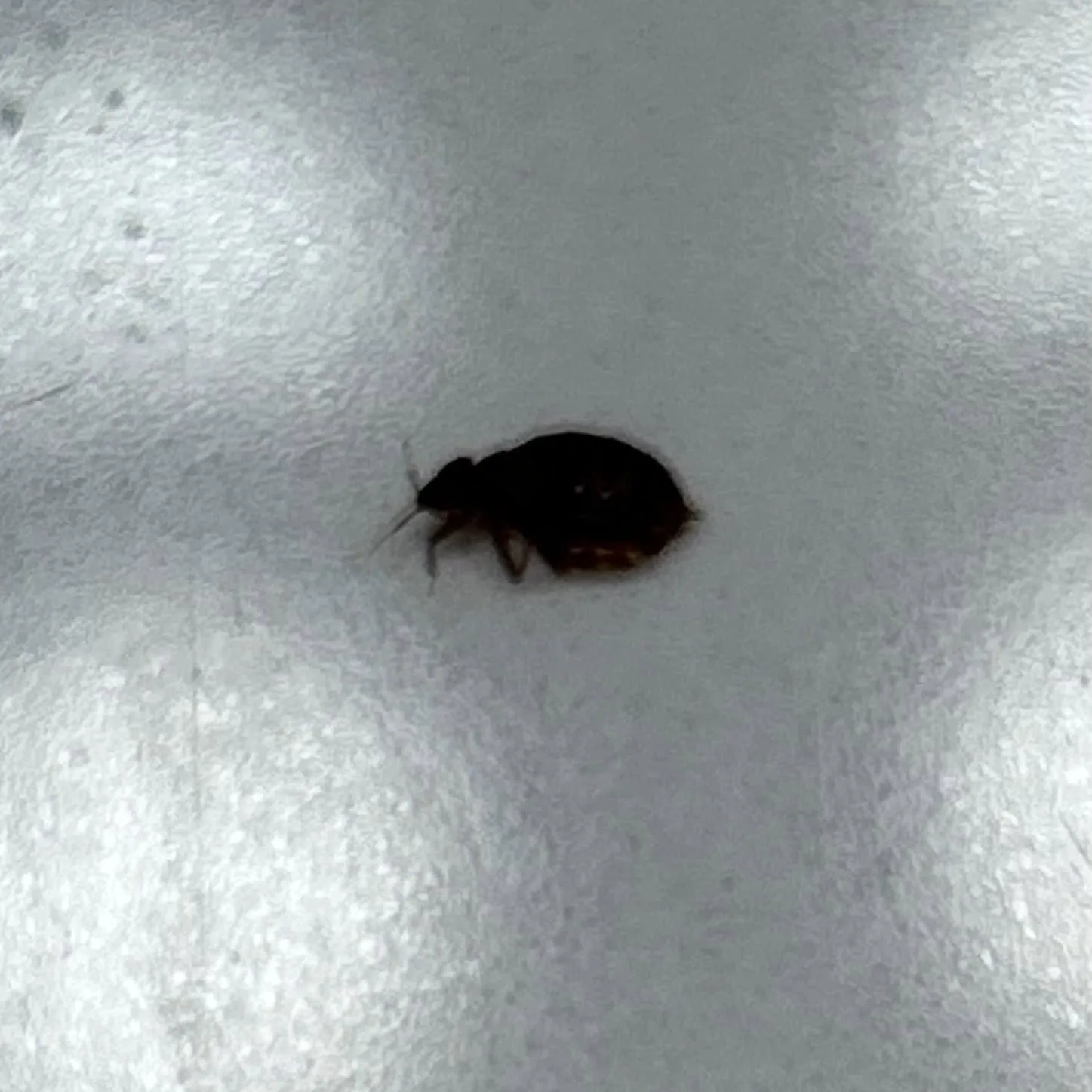
If you spot a bug, shape matters more than color. Bed bugs look broader and flatter. Fleas look slimmer, darker and more built for speed.
Bed Bug Appearance
Bed bugs are oval, flat, wingless insects, usually brown and often compared to apple seeds. Adults are bigger than fleas, roughly 1/4 to 3/8 inch long. After feeding, the body stretches out a bit and turns more reddish or purplish.
The biggest visual clue is what you do not see. No jumping. No flying. Just quick crawling and then hiding in a crack, seam or fold.
Flea Appearance
Fleas are smaller, usually about 1/8 inch long, darker brown and flattened more from side to side. Bed bugs look like little flat discs, fleas look like narrow little slivers.
You often do not get a long look at a flea. You notice a tiny dark speck, then it springs away like it was launched.
Movement and Behavior
If appearance feels hard to judge, behavior is easier. Honestly, this is often the fastest way to separate one from the other.
Do They Jump or Crawl?
Fleas jump. Bed bugs do not.
That one detail solves a lot of confusion. If the insect pops off fabric, socks or carpet when disturbed, that strongly points to fleas. Bed bugs crawl rapidly, but do not fly or jump. A jumping bug near your feet is not acting like a bed bug.
When They’re Most Active
Bed bugs usually feed at night while you sleep, then head back into hiding. Fleas can bother you any time of day, especially when you walk across carpet, sit where a pet naps, or pick up pet bedding.
That timing matters. If the problem feels tied to bedtime, think bed bugs. If it happens while moving around the house, think fleas first.
Bite Patterns and Where Bites Show Up
Bites can help, but only if you treat them as clues, not proof.
Bed Bug Bite Clues
Bed bug bites usually show up on exposed skin: arms, shoulders, neck, face, hands, lower legs if uncovered. You may notice them after waking up, not during the bite itself. Some bites appear in clusters or little lines.
The catch is that some people react late, and some barely react at all. Bed bugs can still be present even without dramatic marks. If you want a better sense of what visible clues tend to show up around sleeping areas, this guide on spotting the signs around your home helps.
Flea Bite Clues
Flea bites usually cluster around ankles, feet and lower legs. They often become small, very itchy red welts and you may notice new bites after walking through certain rooms rather than after sleeping.
That lower-leg pattern is one of the strongest flea clues. It is not subtle once you know to look for it.
Why Bites Alone Can Trick You
A rash cannot confirm bed bugs or fleas by itself. Reactions depend on your skin, past exposure and even other non-pest causes. Mystery bites send plenty of households in the wrong direction.
So use bites to guide your inspection, not replace it.
Where You’ll Usually Find Each Pest
You do not need to tear apart the whole house. You need to check the right places.
Where Bed Bugs Hide
Start at the bed. Check mattress seams, piping, tags, the box spring, headboard, bed frame joints, nearby nightstands, couches and upholstered chairs. First thing in the morning, run a flashlight along the mattress piping and behind the headboard. That one five-minute check can tell you more than staring at bites for a week.
Bed bugs like tight hiding places near where you rest. If you find signs, getting treatment confirmed early matters because spread into couches and nearby rooms makes the whole process harder.
Where Fleas Hang Out
Fleas usually build up in pet beds, rugs, carpet edges, upholstered furniture and along baseboards. Anywhere an animal rests regularly is worth checking.
Fleas generally need an animal host around long enough to get established. A quick visit from a dog is one thing. A pet that sleeps in the same corner every day is another.
Signs Left Behind: What Evidence to Look For Fast
This is where guessing stops and real identification starts.
Bed Bug Evidence
Look for live bugs, shed skins, tiny pale eggs and dark fecal spots that look like someone touched the fabric with the tip of a black pen. Bed bugs are good at hiding, so you may find the evidence before you find the bug.
If you suspect eggs or want to know why infestations bounce back so easily, this breakdown of why the smallest clues matter so much is worth reading.
Flea Evidence
Flea evidence is usually more obvious. Look for jumping insects, irritated pets and flea dirt in pet bedding or carpeting. Flea dirt means pepper-like specks that turn reddish-brown when wet because it is digested blood.
That test is simple and useful. Dark crumbs that smear rusty red after a damp paper towel touch are a strong flea clue.
Pets and Animal Hosts
Source matters. A lot.
When Pets Point to Fleas
If your dog or cat is scratching, chewing at the base of the tail, or avoiding a favorite bed, fleas move way up the list. The same goes for signs of rodents or wildlife in the attic, crawl space, porch or yard.
Pets often act like a trail of breadcrumbs that leads you straight to the real source.
When No Pets Doesn’t Automatically Mean Bed Bugs
No pets does not rule out fleas. Past pet activity, wildlife, shared walls and common outdoor areas can still bring them in. Bed bugs, on the other hand, often arrive by hitchhiking on luggage, used furniture or overnight guests.
So do not oversimplify it. No pet is not the same as no flea risk.
Ease of Confirming the Problem
One of these pests is much better at staying hidden.
Bed Bugs Are Harder to Confirm
Bed bugs can hide in tiny cracks and may not show up in a quick scan. That is why visual inspection misses early infestations. University of Kentucky notes that interceptor traps under bed or sofa legs can help catch activity that your eyes miss.
If your clues keep pointing toward bed bugs, a deeper look at what works to get rid of them can save you from wasting money on random sprays.
Fleas Are Usually Easier to Notice
Fleas are more likely to reveal themselves by jumping on socks, legs or pet bedding. You can often confirm flea activity faster because the bugs are out in the open more often.
That is the trick. Bed bugs hide better, fleas perform better.
Pricing and Treatment Difficulty
This is where the difference gets very real.
Bed Bug Treatment Costs and Challenges
Bed bugs are usually the more expensive, more drawn-out fix. Treatments can run into the thousands, and multiple visits are common when the infestation spreads into furniture or several rooms.
Wrong guesses waste money fast. Treating for bed bugs when you have fleas is like replacing the lock when the window is still open.
Flea Treatment Costs and Challenges
Flea treatment is usually more straightforward. The usual path involves treating pets, washing fabrics, vacuuming hard and sometimes using a home treatment or bringing in pest control if the infestation is established.
The catch is the life cycle. If you miss the animal host or stop too early, the problem can circle right back.
When to Choose a Bed Bug Response vs. a Flea Response
You do not need perfect certainty to choose your first move. You need the better bet.
Choose a Bed Bug Response If…
Choose a bed bug response if bites show up after sleep on exposed skin, if the problem is centered in bedrooms or couches, or if you find dark spots, shed skins or bugs near mattress seams and furniture joints.
A recent hotel stay, used furniture pickup or signs that shift with sleeping location also push bed bugs higher on the list.
Choose a Flea Response If…
Choose a flea response if bites cluster around ankles, if you spot jumping bugs, if pets are itchy or if the activity stays around rugs, pet beds or lounging spots.
If white socks pick up jumpers while walking across carpet, fleas are the front-runner.
What to Do in the Next 24 Hours
Start with evidence, not spray. Strip and inspect bedding, vacuum bedrooms and pet areas thoroughly, check mattress seams, inspect pet beds and look closely at pets with a flea comb if you have one.
Skip random pesticide use until you know what you are treating. That advice lines up with extension guidance, because spraying without evidence often creates more mess than progress. If the signs keep stacking up but you still cannot confirm the source, getting a real inspection is faster than guessing for another week.
Verdict: Which One Are You More Likely Dealing With?
If the bug jumps, pets are scratching and bites cluster around your ankles, fleas win.
If bites show up after sleep on exposed skin and the evidence stays close to the mattress, couch or headboard, bed bugs win. Try one thing tonight: inspect the bed seams and the floor around pet resting spots with a flashlight. In most homes, that quick check narrows the answer fast.
Still Not Sure? Get a Local Inspection
If you are in Richmond or anywhere in Central Virginia and cannot tell fleas from bed bugs, a professional bed bug inspection settles it fast. We will tell you what we find, even if the answer is fleas and you need a different kind of help.
Frequently Asked Questions
Can fleas live in your bed like bed bugs?
Fleas can end up in bedding, especially if pets sleep there, but the bed is not usually the main base unless an animal host keeps using it. Bed bugs are much more tied to mattresses, bed frames and nearby furniture.
Do bed bugs ever bite ankles like fleas?
Yes, but usually only if your ankles are exposed while sleeping. Fleas target ankles and lower legs far more often, especially during the day while you move around the house.
Can you have both bed bugs and fleas at the same time?
Yes, though it is less common than having one or the other. Shared housing, pets, wildlife, travel and used furniture can create overlapping pest problems.
What is the fastest home check for fleas?
Walk through carpeted areas in white socks, then inspect the socks and the floor for jumping dark specks. Also check pet bedding for flea dirt and watch for scratching.
What is the fastest home check for bed bugs?
Use a flashlight to inspect mattress seams, tags, the box spring edge and behind the headboard first thing in the morning. Look for dark dots, shed skins, pale eggs or live bugs tucked into tight seams.
Should you treat before finding proof?
No. Bed bug and flea treatments are different, and guessing can waste time and money. Find the pest, or at least clear signs of it, before choosing a treatment path.