
Bed bug reinfestation means bed bugs showed up again after you thought the problem was handled. That can feel maddening, especially when you already washed, bagged, vacuumed and barely slept for weeks. The good news is that a comeback usually happens for clear reasons, and once you know those reasons, it gets much easier to stop the cycle.
What Bed Bug Reinfestation Means
Bed bug reinfestation is the return of bed bugs after treatment or cleanup. You got rid of them, or thought you did and now you are seeing signs again.
That does not automatically mean you failed. Bed bugs come back for two main reasons. Either some bugs or eggs survived the first round, or new bugs got brought back into your home on items like luggage, clothing, furniture or boxes. In apartments and condos, there is a third wrinkle tucked into that second category, bugs can also move in from nearby units.
That distinction matters. If the problem is hidden survivors, the fix is follow-up, better inspection and better targeting. If the problem is reintroduction, the fix is different. You have to stop the pathway that let them back in.
How Bed Bugs Come Back After Treatment
Bed bugs do not return because of random bad luck. They return for specific, frustratingly ordinary reasons: missed eggs, hidden bugs, untreated belongings and spread from nearby spaces.
Missed eggs and hidden survivors
Eggs are one of the biggest reasons bed bugs seem to “come back.” At room temperature, eggs usually hatch in about 5 to 10 days. So if the first treatment kills active bugs but misses eggs, your home can look quiet for a week and then suddenly not quiet at all.
Bed bugs are also excellent at staying out of sight. Seams in a mattress, joints in a bed frame, gaps behind baseboards, screw holes in furniture and tiny cracks near the headboard can all work as hiding places. A female can lay up to 5 eggs a day, which is why a few missed bugs can turn into a full problem again faster than you expect.
This is why one treatment round often is not enough. Most products do not kill every egg, and hidden harborages are easy to miss during a rushed inspection. If you want a deeper look at why eggs are such a pain, this breakdown of why the tiny white clusters keep surviving helps make sense of it.
Bugs brought back in on everyday items
Reinfestation often starts with something you carry inside without thinking twice. A suitcase from a trip. A backpack dropped next to the bed. A used nightstand from the curb. A stack of moving boxes. Even a laptop case can do it.
According to Penn State Extension, new infestations commonly begin when infested items like second-hand furniture, bedding, luggage, clothing and cases are brought into a building. That sounds dramatic, but it is really just how bed bugs travel. They are hitchhikers, not explorers.
The catch is that “clean-looking” does not mean bed bug-free. A chair can look spotless and still hide bugs deep in seams or wood joints. A suitcase can come home from a hotel looking totally normal and still carry a few stowaways.
Spread from nearby rooms or apartments
If you live in a multi-unit building, reinfestation can happen even when you did a lot right. Bed bugs can move through shared walls and along pipes, wiring routes, hallways and tiny structural gaps. That movement can happen both vertically and horizontally, which means the unit above, below, beside or across the hall can matter.
This is one of the biggest reasons an infestation seems to “return” out of nowhere. In reality, it may not be the same original infestation waking back up. It may be a nearby source repeatedly feeding the problem.
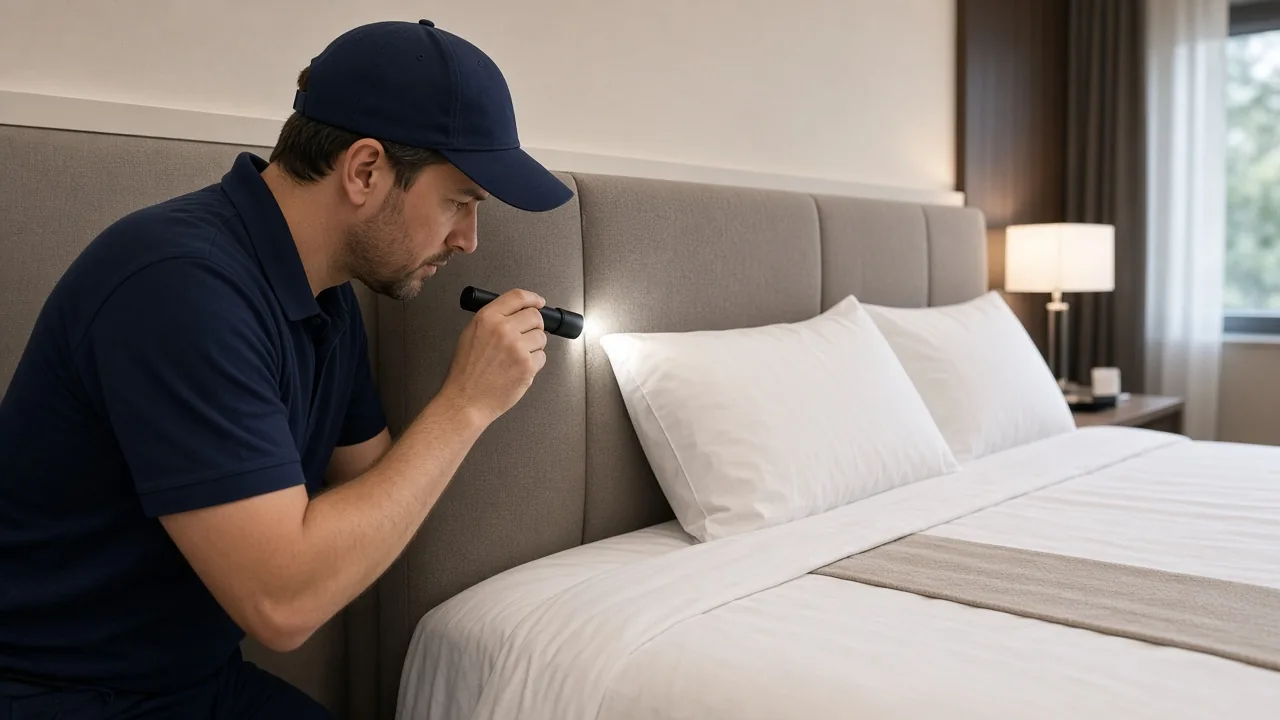
Signs You’re Dealing With Reinfestation, Not Just Old Evidence
After a bed bug problem, every speck can look suspicious. A lot of panic comes from not knowing whether you are seeing fresh activity or leftovers from the first round.
Fresh bites, live bugs and new spotting
Fresh activity usually means current evidence, not old stains. That includes live bugs, newly shed skins, fresh eggs or new dark fecal spots that were not there before. It can also include bites returning after a stretch of quiet, though bites alone are not enough to confirm bed bugs.
A very real example: you change the sheets at 2 a.m., check the mattress tag with your phone flashlight, and spot fresh black dots near the seam that were not there last week. That kind of change matters.
Monitors can help here. Interceptor cups can catch activity early, especially when paired with regular visual checks.
Why old stains can fool you
Old fecal spots can stay on fabric or wood long after treatment. Dead bugs can sit in cracks until you happen to notice them weeks later. Even shed skins may linger if the area was not cleaned after treatment.
And honestly, anxiety makes everything look active again. Once bed bugs have been in your home, it is normal to check constantly. But old evidence is not the same as current evidence. New signs matter more than suspicious-looking leftovers.
Make sure it’s really bed bugs
Not every bite or bug points to reinfestation. Fleas, carpet beetles, ticks and even skin reactions can create the same fear spiral. A visual inspection, which just means a careful hands-and-knees check of common hiding spots, is still the starting point.
If you are not sure what you are looking at, this guide to telling bed bugs from fleas fast can save you from chasing the wrong problem.
Why One Treatment Rarely Finishes the Job
Bed bug control is not always a single-visit solution.
Even with professional treatment, follow-up is often necessary to:
- confirm all activity is eliminated
- catch any late hatching bugs
- prevent the infestation from rebuilding
If no follow-up is done, small remaining activity can grow back into a full infestation.
Bites are often the first thing people notice – but they’re not reliable on their own.
Bed bug bites can look like:
- small red bumps
- clusters or lines on exposed skin
- itchy or inflamed areas
But bites alone don’t confirm bed bugs. Other insects and skin conditions can look similar.
That’s why physical evidence matters more than bites when confirming an infestation.
Early vs. Established Infestations
Understanding the difference helps you act faster.
Early Stage
- activity limited to one area (usually bed)
- minimal visible evidence
- easier to eliminate
Established Infestation
- spreading into furniture and other rooms
- more visible signs (droppings, skins, live bugs)
- requires more aggressive treatment
The longer the problem goes unchecked, the harder it becomes to eliminate.
In some cases, the original infestation was eliminated – but new bugs were brought in again.
Common sources:
- travel and luggage
- overnight guests
- second-hand furniture
- adjacent units (apartments, condos)
Without prevention steps, it’s easy for bed bugs to be reintroduced.
Why DIY Fixes Often Fail the Second Time
When bed bugs show up again, the natural impulse is to spray harder, spray more often and spray everywhere. That usually does not fix the real problem.
Store-bought sprays usually miss the real hiding spots
Most over-the-counter sprays kill exposed bugs on contact. That sounds useful, and sometimes it is, but exposed bugs are only part of the problem. Eggs tucked into cracks and bugs buried deep in joints or wall gaps often stay untouched.
Resistance can also muddy the picture. Even when it is not obvious, some bed bugs survive products that seem like they should work. So you spray, see fewer bugs for a few days, and then the problem resurfaces because the hiding places were never fully addressed.
Moving things around can spread the problem
Trying to clean up too fast can spread bed bugs into new areas. Carrying loose bedding through the house, dragging a fabric chair down the hall, or hauling laundry room to room without sealing it first all create chances for bugs to drop off.
Sleeping somewhere else can do the same thing. If bed bugs are feeding in your bedroom and you suddenly start sleeping on the couch, you may bring the infestation into the living room. That is one of the most common accidental mistakes.
One method alone is rarely enough
There is no silver bullet. The best approach is integrated pest management, or IPM, which is just a plain-English way of saying you use a mix of methods instead of betting everything on one spray or gadget.
The EPA recommends integrated pest management because bed bug control works best as a process: inspection, cleaning, reducing hiding spots, heat or steam where appropriate, encasements, monitors and targeted treatment. If you are comparing options, this page on what tends to work in real homes gives a practical bigger picture.
What Stops Bed Bug Reinfestation
Stopping reinfestation is less about one big dramatic treatment and more about removing opportunities. You want fewer hiding spots, fewer travel paths and faster detection if anything survives.
Follow-up inspections are nonnegotiable
Follow-up checks matter because bed bugs can survive for a long time without feeding. Nymphs can last for months, and adults can survive even longer under the right conditions. That means silence for a while is encouraging, but not proof.
A simple rhythm works better than random panic-checking. Recheck the mattress seams, bed frame joints, nearby baseboards and monitors every few days right after treatment, then weekly for a stretch. If you used professional treatment, keep every follow-up visit. Skipping the second round is how a lot of “almost gone” infestations become full reinfestations.
Cut down hiding places without spreading bugs
Clutter does not cause bed bugs, but it gives them more places to disappear. The trick is to reduce hiding places carefully.
Bag items before moving them. Sort in place when you can. Avoid dragging loose belongings from room to room. If something needs to leave the bedroom, seal it first. In multifamily settings, moving infested items without precautions can spread bugs into hallways, storage areas or neighboring units.
This should feel doable, not shameful. You are not trying to create a magazine-perfect room. You are trying to make inspection and treatment possible.
Use encasements and interceptors the right way
Mattress and box spring encasements trap any bugs already inside and block new bugs from using those spaces as hiding spots. They also make future inspection easier because you are looking at a smoother surface with fewer folds and seams.
Interceptors are small cups placed under bed or furniture legs. Bed bugs climb in and get stuck, which helps you confirm whether activity is still happening. Some are inexpensive, often around a few dollars for a set of four, and worth using.
Monitors help you spot trouble early. But they do not solve the infestation by themselves. Think of them like a smoke alarm, useful because it tells you something is wrong, not because it puts out the fire.
Wash, dry and isolate items strategically
Laundry can help a lot, but only if you handle it in the right order. Bag the items before carrying them out of the room. Wash when needed, then dry on high heat if the fabric can handle it. Heat is what matters most.
After that, keep cleaned items separated. Put them in sealed bags or bins until the infestation is fully resolved. Clean only stays clean if it stays isolated. If you toss fresh-dried clothes back onto an infested chair, you have basically reset the clock.
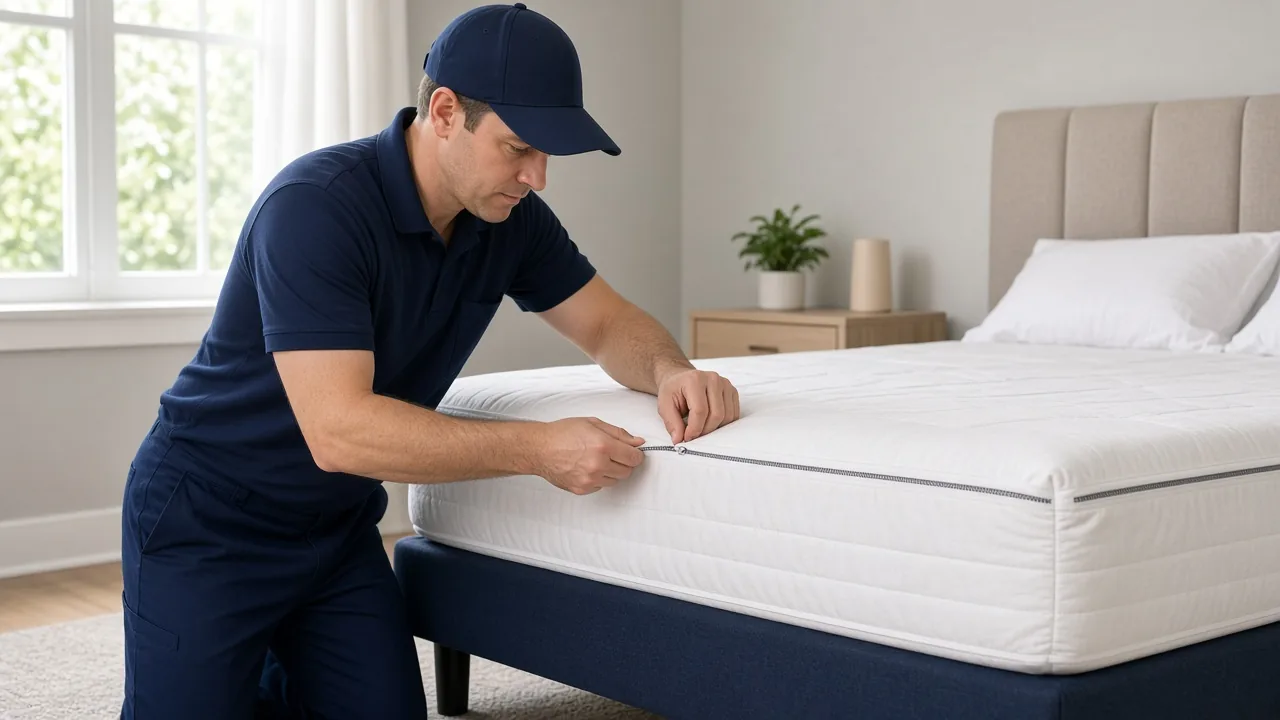
The Best Treatment Options for a Reinfestation
Different tools do different jobs. The smart move is understanding what each one can and cannot do.
Heat, steam and vacuuming
Heat treatment can reach many hidden spaces and is often a strong option when clutter or complicated furniture makes chemical access harder. Steam works well along seams, edges, tufts and cracks where bugs hide close to the surface. Vacuuming helps remove visible bugs and debris during prep.
But none of these should be misunderstood. Vacuuming alone is not enough. Steam only works where the heat reaches. DIY freezing is unreliable in most home setups because household freezers usually do not create the right conditions consistently.
Targeted pesticide treatment
Professional-grade pesticide work is usually aimed at cracks, crevices, bed frames, baseboards and known harborages, not random blanket spraying across the whole room. That matters because bed bugs spend most of the day hidden, not strolling across open carpet.
Repeat visits are common for a reason. Eggs hatch later, and hidden bugs can emerge after the first round. If you are weighing whether to bring somebody in, this overview of what treatment usually costs in practice helps set expectations.
For ongoing or repeat problems, professional follow-through is often the difference between temporary relief and actual control. A treatment plan like this bed bug treatment approach shows the kind of follow-up structure you want to look for.
When professional help is the smart move
Call for professional help if you keep seeing bugs after a first attempt, if you live in an apartment or condo, if activity has spread into multiple rooms, or if you cannot safely reduce clutter and treat items without moving bugs around.
That is not admitting defeat. It is just matching the tool to the problem. Bed bugs are stubborn, and second-round problems often need a tighter plan than a store shelf can give you.
If You Live in an Apartment, Condo or Shared Building
Shared buildings change the whole equation. In these settings, bed bug reinfestation is often a building problem wearing the mask of a bedroom problem.
Why shared walls change the game
Bed bugs can move from unit to unit through very small pathways. If one apartment gets treated and the next one does not, bugs can keep circulating. Your room may look clean for a while, then activity returns because the source never fully went away.
In one survey, multi-unit housing was both the most commonly treated setting and one of the hardest to manage. That tracks with real life. More units means more entry points, more chances for reintroduction and more coordination problems.
What to document and report
Keep notes. Write down dates, where you found bugs, what signs you saw, what rooms were affected, when bites appeared and what treatment has already been done. Photos help. So do samples sealed in tape or a bag, if you can collect one safely.
Clear reporting helps property managers and pest professionals move faster. It also helps show whether the issue is ongoing, spreading or linked to nearby units.
Why coordination matters more than blame
Blame feels tempting when you are exhausted. But it rarely fixes anything. Coordination does.
The most successful building responses happen when preparation, management action and treatment line up. If one piece falls apart, the whole plan gets weaker. Focus on getting the problem documented, inspected and addressed across connected spaces.
Common Questions and Misconceptions About Reinfestation
A lot of bed bug stress comes from half-true advice. A few clear answers can calm things down fast.
Can bed bugs come back months later?
Yes. Adults can survive for a very long time without feeding, and new bugs can also be reintroduced months after treatment. A quiet period does not always mean the story is over.
Does reinfestation mean the first treatment failed?
Not always. Sometimes the first treatment knocked the population down, but missed eggs, poor prep, skipped follow-up or spread from a nearby unit allowed the problem to restart.
Do bed bugs spread disease?
No. Bed bugs are not known to transmit disease. But that does not make them harmless. Bites can lead to itching, skin irritation, lost sleep, anxiety and sometimes secondary skin infections from scratching.
Stopping Reinfestation in Central Virginia Homes
When bed bugs come back in a Richmond-area home, we start by finding out whether they survived the first treatment or came in again. Our follow-up and monitoring visits are built for exactly that question, and every treatment we perform carries a six-month warranty.
Frequently Asked Questions
How long should you keep checking after treatment?
Keep checking for several weeks at minimum, and longer if the original infestation was heavy. The most useful window is right after treatment and again about 7 to 10 days later, because eggs can hatch during that period.
Can you get reinfested from your own stored items?
Yes. If cleaned items get mixed back in with untreated items, or if sealed bags are opened too early in an active room, your own belongings can restart the problem.
Should you throw away your mattress if bed bugs come back?
Usually not right away. A good encasement can make a mattress much easier to manage and inspect. Throwing it out carelessly can spread bugs through the home or building.
Do bug bombs help with reinfestation?
No. Total release foggers are a bad fit for bed bugs. They often miss the bugs and can push them deeper into hiding or into nearby rooms.
Is one live bug enough to worry about?
Yes. One live bed bug after treatment deserves attention, especially if it shows up after a quiet period. It does not prove a huge infestation, but it does justify a fresh inspection.
Your Simple Next-Step Plan
Start by confirming fresh evidence instead of assuming the worst. Stop moving loose items from room to room. Bag laundry before carrying it out. Check the bed frame, mattress seams and nearby furniture. Set monitors if you have them. If signs keep showing up, book follow-up help instead of restarting the same failed spray routine.
Try one thing today: spend 10 careful minutes inspecting the mattress seams, bed frame joints and baseboards nearest your bed. That small check can tell you a lot, and it is often the moment the problem starts making sense again.