
 A bed bug heat treatment feels like a big decision. It is expensive, it means being out of your home or business for hours, and you are trusting that cranking the heat will actually solve the problem. So does heat treatment kill bed bugs, and is it really worth the cost?
You will get a straightforward answer: yes, professional heat treatment can kill bed bugs at every life stage, including eggs. The key is whether the company you hire can get the details right. When that happens, heat is often the fastest, most thorough option you can choose.
Below, you will see how heat works, what temperatures really matter, where it can fail, and how to decide if the investment makes sense for your situation.
How bed bug heat treatment actually works
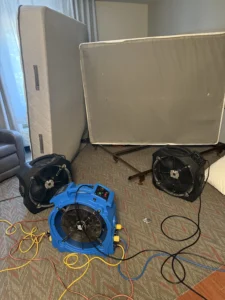
Heat treatment for bed bugs is exactly what it sounds like. Technicians bring in specialized heaters and fans, then raise the temperature of the infested area until bed bugs cannot survive.
During a professional treatment, the temperature inside your home or business typically climbs to around 118 to 135 °F and stays there for several hours. At these levels, bed bug bodies dehydrate and their proteins break down, which leads to death.
You will usually be out of the space for 6 to 8 hours while the temperature is brought up, held, and then cooled back down in a controlled way. Furniture, walls, flooring, and items in the room are heated long enough that the warmth penetrates into seams, joints, cracks, and crevices where bed bugs hide.
The result, when done correctly, is a property where live bed bugs and viable eggs should not remain.
What temperature kills bed bugs?
This is the question that drives most online research: does heat treatment kill bed bugs, and exactly how hot is hot enough?
According to Virginia Tech research, the thermal death point for bed bug adults and nymphs is 118 °F. Bed bug eggs are a bit tougher and require 122 °F to be reliably killed. Consistent exposure to slightly lower temperatures, around 112 to 115 °F, can also cause death, but only if maintained for several hours and in all the places bed bugs are hiding (Virginia Cooperative Extension).
Other sources report similar thresholds. For example:
- Heat treatment kills bed bugs and eggs when exposed to 118 °F and above, with bed bugs dying immediately at 122 °F or within about 90 minutes at 118 °F
- Bed bug heat treatments can achieve success rates of 95 percent or higher after a single session by raising temperatures above 113 °F for at least 90 minutes, covering all life stages including eggs
The slight differences you see online usually come down to two variables: how long the heat is applied and how well it reaches hidden spots. That is why a professional team pays close attention not just to the air temperature in the middle of the room, but to the temperatures at the hardest to heat locations.
Why “air temperature” is not enough
You might think that if the thermostat says 135 °F, you are in the clear. Unfortunately, bed bugs are very good at tucking themselves into the coolest places in a room.
Research from Virginia Tech shows that ambient air temperature is not a reliable indicator of whether bed bugs have reached lethal temperature. Bed bugs hide in tiny cracks and crevices that can stay cooler unless the technician continually adjusts heaters and fans to push hot air into those exact spots (Virginia Cooperative Extension).
That is why serious heat treatment companies use wired or wireless sensors throughout your space. They place these probes deep in mattresses, along baseboards, behind outlet covers, in furniture joints, and in cluttered corners. Then they watch those readings, not just the big digital display on a heater.
If those hidden areas never hit at least 118 to 122 °F and hold there long enough, some bed bugs or eggs can survive, and you will see activity again later.
How long a proper heat treatment takes
When you ask, “does heat treatment kill bed bugs,” the honest answer is, “yes, if you give it enough time.”
Effective heat treatments are not quick blasts of extreme heat. They involve:
- A gradual warm up so items are safely heated and pests do not simply scatter
- A long “holding” period where all areas remain above lethal temperature
- A controlled cool down to avoid damage to belongings
Virginia Tech notes that effective treatments depend heavily on adequate duration, often longer than four hours, along with careful monitoring in difficult to heat areas (Virginia Cooperative Extension).
Many professional services plan for 6 to 8 hours on site, especially when treating a full home or multi room business. Shorter treatments or “spot heat” that only warms one small area are much more likely to miss hidden bugs or eggs.
What makes a heat treatment succeed or fail
Heat is extremely powerful, but it is not magic. The success of your bed bug heat treatment depends on a few critical factors.
System design and equipment
You will see a lot of marketing about big BTU numbers, but Virginia Tech emphasizes that success depends more on proper system design, careful monitoring, and technician expertise than on heater size alone (Virginia Cooperative Extension).
Professionals combine:
- Electric or propane heaters sized correctly for the area
- High powered fans to move hot air into dead zones
- Multiple temperature sensors to monitor critical spots
This setup helps prevent “cool refuges,” those pockets where bed bugs may survive if the equipment is not correctly positioned.
Technician training
In practice, heat treatment is as much an art as a science. Technicians need to understand building layouts, insulation, airflow, and how furniture and clutter affect heat distribution.
Convectex highlights that effectiveness depends on factors like infestation severity, property layout, and technician expertise, since inadequate heat distribution or cool spots can allow some bed bugs to survive.
This is a key reason DIY heat attempts with space heaters or rented equipment so often fail and sometimes create fire hazards.
Your preparation
Your prep work matters more than you might expect. Before a heat treatment, you are usually asked to:
- Remove or protect heat sensitive items such as candles, aerosols, certain electronics, delicate plastics
- Reduce clutter so hot air can circulate
- Pull furniture slightly away from walls
- Loosen packed items inside drawers or closets
Convectex notes that proper preparation, including decluttering and removing heat sensitive items, is essential so heat reaches every hiding spot (Convectex).
If you skip prep steps or move items into “safe” cool zones, you can unintentionally create bed bug shelters that stay below lethal temperature.
Why professionals often combine heat with insecticides
One honest truth that sometimes gets glossed over in marketing is this: even an excellent heat treatment might not reach 100 percent of bed bugs in every single situation.
Virginia Tech points out that heat alone may not guarantee complete eradication if survivors are hiding in inaccessible cool refuges or where heat penetration is limited. They recommend supplementing heat with residual insecticides, such as silica aerogel dust, in hard to heat sites to kill any remaining bed bugs (Virginia Cooperative Extension).
In practice, that often looks like:
- Heating the entire structure to lethal levels
- Applying a residual dust or liquid insecticide in wall voids, behind baseboards, around bed frames, and in other strategic areas
This combination helps protect you from the “one pregnant female survived in a cold crack” scenario.
When you interview companies, ask if they use a combination approach and where they apply residuals. It is a useful signal that they understand the limitations of heat and want to stack the odds in your favor.
DIY heat vs professional heat
If you are tempted to try your own heat treatment, you are not alone. Some people run multiple space heaters, others try “baking” items in cars on hot days, and online communities are full of improvised methods.
There are a few problems with these approaches:
- Cars can reach 120 to 130 °F inside on summer days, but the temperature is highly uneven and may not stay lethal long enough in every item or crevice (Reddit)
- Household heaters and hair dryers typically cannot heat large volumes of air evenly or safely
- Without sensors, you are guessing about temperatures inside furniture or piles of belongings
There is also fire risk when using unapproved equipment at high outputs for long periods, which Convectex warns about in the context of DIY heat attempts (Convectex).
Short, focused heat can be useful on a small scale, for example, using a high temperature dryer cycle for clothing or carefully applied professional grade steam. Some pest control companies use steam at 160 to 180 °F, which can kill bed bugs in seconds (Peachtree Pest Control).
For treating whole rooms or buildings, though, professional heat treatment is much safer and more reliable than improvised methods.
Does heat treatment kill bed bugs for good?
A common promise is “one day, one treatment, zero bed bugs.” In many cases, that is true. Heat can deliver extremely high success rates, with sources like Convectex and Peachtree Pest Control both citing around 95 percent effectiveness or better after a single properly executed treatment (Convectex, Peachtree Pest Control).
However, even the best company cannot control:
- Future introductions of bed bugs from guests, shared walls, or travel
- Clutter levels or conditions that make treatment more challenging
- Building features that make some spots unusually hard to heat
That is why follow up is so important.
Virginia Tech recommends that customers demand documentation showing that all key harborages reached lethal temperatures and also request follow up inspections to confirm elimination (Virginia Cooperative Extension).
When you hire a provider, ask for:
- A written report with temperature logs from multiple sensors
- Clear notes on any areas that were slower to heat and how they were managed
- A follow up inspection date and what you should watch for in the meantime
A company that can show you data and is willing to return stands behind its work.
Is heat treatment worth the cost?
Heat treatment is usually one of the more expensive bed bug solutions, so it is smart to weigh cost against benefits.
Compared to a purely chemical program that might require multiple visits over weeks, heat gives you:
- Speed, you are back in a treated space the same day
- Thoroughness, when done right, it kills eggs as well as live bugs
- Convenience, less preparation than bagging and laundering every item for repeated chemical sprays
- A more discreet option, especially appealing for businesses and multi unit housing
Because of that, many home and business owners find the investment worthwhile, especially if they are already losing sleep, disturbing tenants, upsetting guests, or dealing with staff complaints.
If you are comparing quotes or trying to understand pricing, it can help to read more detailed breakdowns such as cost of heat treatment bed bugs, how much does bed bug heat treatment cost, and heat treatment for bed bugs cost. Those guides walk through the variables that affect your final bill so you know what to expect.
You can also dig deeper into performance questions in resources like is heat treatment effective for bed bugs, which focuses more on results and less on pricing.
How to choose a heat treatment provider
If you decide heat is the right route, your next step is picking a team that can do it safely and thoroughly.
Here are a few practical questions you can ask:
- How many heat treatments have you completed in homes or businesses like mine?
- What temperatures do you aim for, and how long do you hold them?
- How many temperature sensors do you use, and where do you place them?
- Do you pair heat with residual insecticides, and if so, where?
- Will I receive a written report or log of temperature readings?
- What is your follow up schedule, and what happens if I see activity afterward?
If you are in the Richmond area, you can also learn more about professional options and integrated approaches at Richmond Bed Bug Experts’ treatment page.
Choosing a provider that treats heat as a science, not a gimmick, is the best way to make sure your investment actually pays off in a bed bug free space.
Bottom line: Heat treatment absolutely can kill bed bugs, including eggs, when it is done by trained professionals who reach lethal temperatures in every hiding place and hold them long enough. The real question is not whether heat works, but whether the company you hire is equipped and experienced enough to use it correctly.
If you are ready to move forward, start by asking a few thoughtful questions, reviewing prep instructions carefully, and insisting on clear documentation. That way you get more than just a hot house for a day, you get real peace of mind.